

When I first started looking up things to do in the Loire Valley, my first thought was WTF. As in, this is all way too feminine! Castles? Wine? I assume there’ll be a fairy godmother and a glass slipper at some point? Either way, I’m here for it!
If you also feel like it’s about time you stopped talking to the mice in your house and became the Disney princess you always wanted to be, it’s time to take a trip to France’s Loire Valley. This post will show you all the enchanted things you can do here. Enjoy!
What to expect in the Loire Valley
France’s Loire Valley is the lush area surrounding the 170-mile center portion of the Loire River in central France. And when I say lush, I mean opulent castles grow here like weeds. But also grapes because you need something to get your buzz on at the ball, obviously.
France’s Loire Valley is home to, I kid you not, more than 300 fancy chateaux. And that’s all in just a 310 square mile piece of Europe. That hardly leaves any room for the swamp ogres, but I digress.
Known as the “Garden of France,” the Loire Valley is also famous for its vineyards, fruit orchards, and vegetable fields. Like I said, LUSH.
Also check out my awesome Paris bucket list (with free printable version).
Things to do in the Loire Valley, France
Even in such a small area, you’ll find there are many awesome things to do in the Loire Valley. But, let’s be real, most of them have to do with castles, which I assume you’re fine with. Lest this post be titled “300 Fancy Things to do in the Loire Valley,” I’ve narrowed it down to just a few of my favorites as well as a handful of other must-see sites and must-drink beverages.
Loire Valley things to do map
This map contains all the things to do in the Loire Valley I mention in this post (and a few more). To save this map: Click on the star ⭑ next to the map’s title to save in your Google Maps. To use this map: When you get here, open Google Maps on your phone, click “Saved” at the bottom, then click “Maps.”
The Loire Valley makes for an awesome road trip. Check out rental car deals here before they’re all taken.
1. Visit Chartres and its cathedral
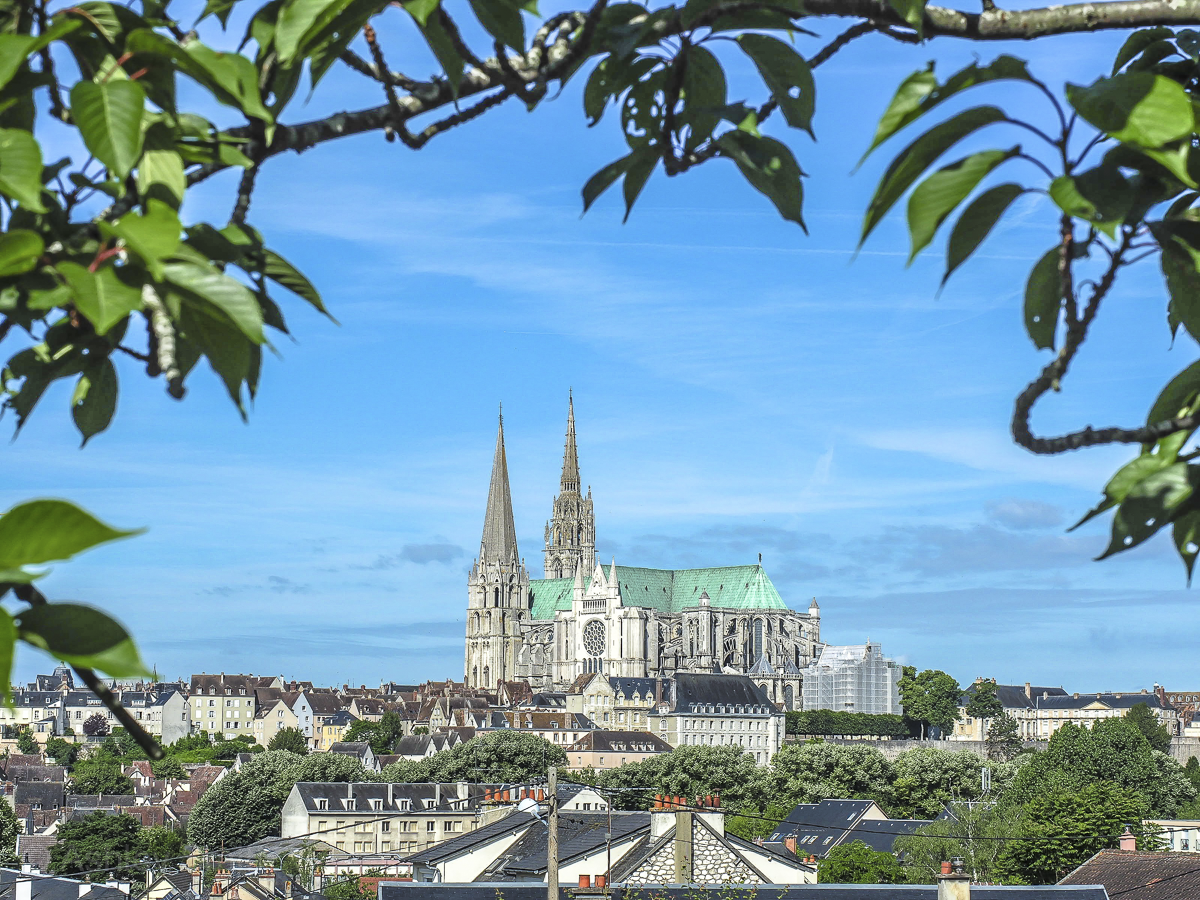
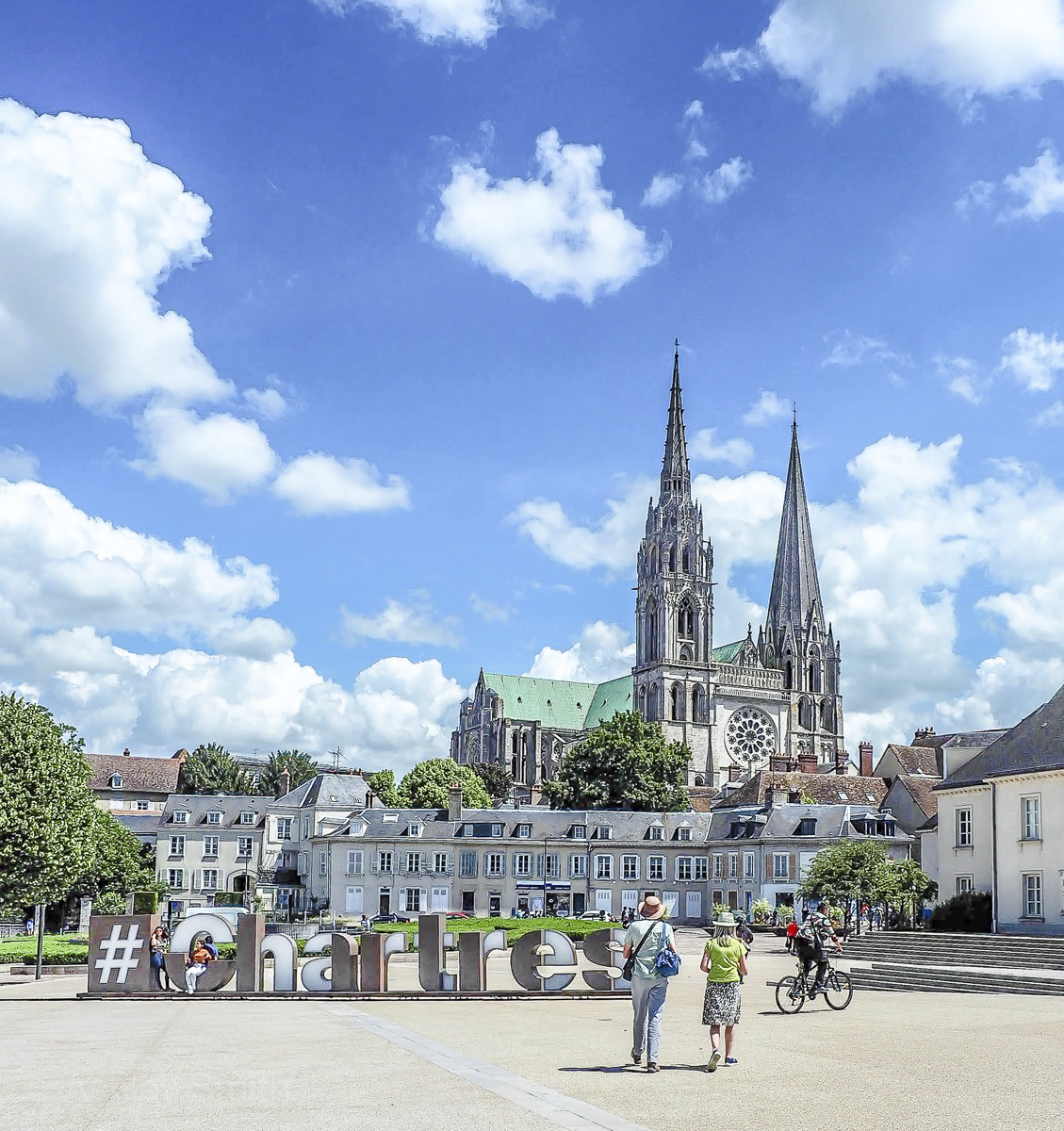
The town of Chartres is located just 60 miles southwest of Paris and is world famous for its cathedral—Cathédral Notre-Dame de Chartres. A visit to Chartres makes a great day trip from Paris and/or a great start to your tour of the Loire Valley.
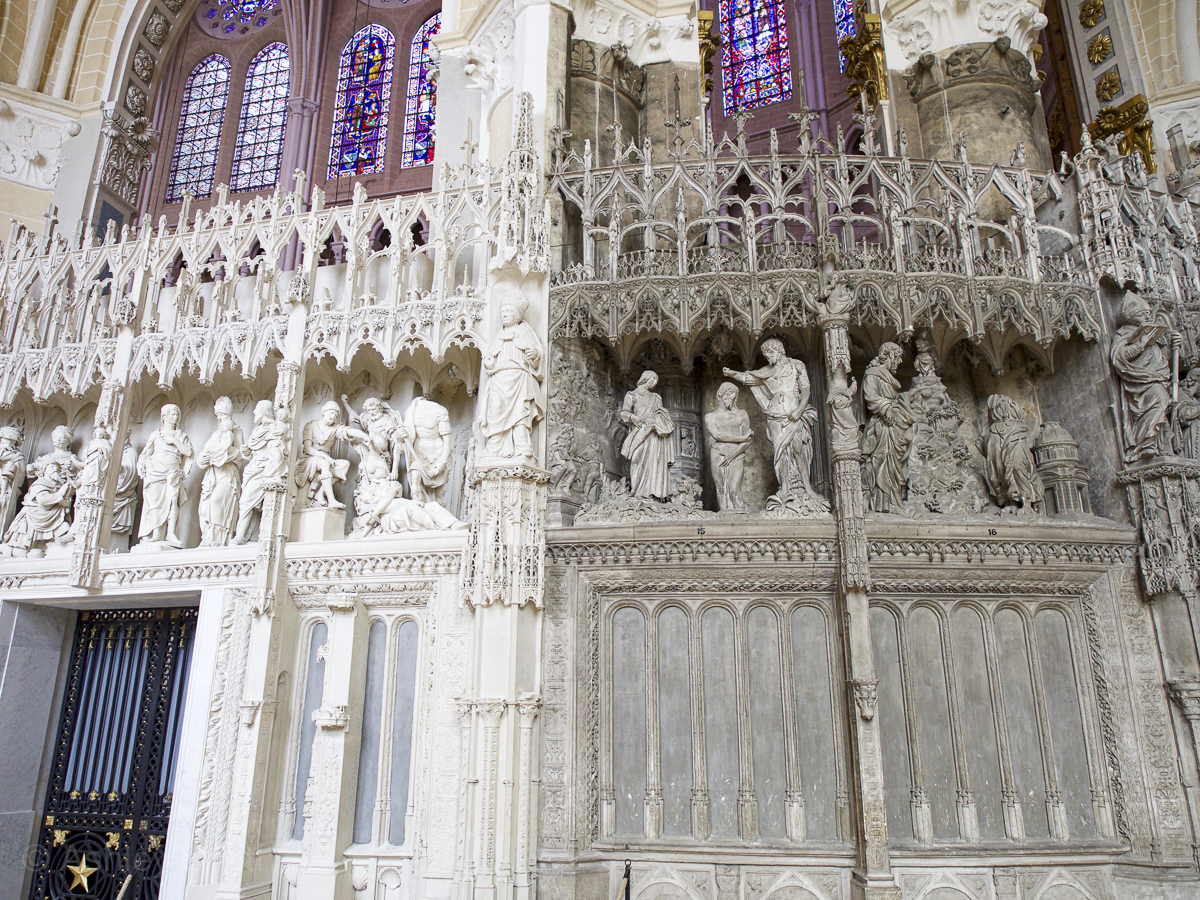
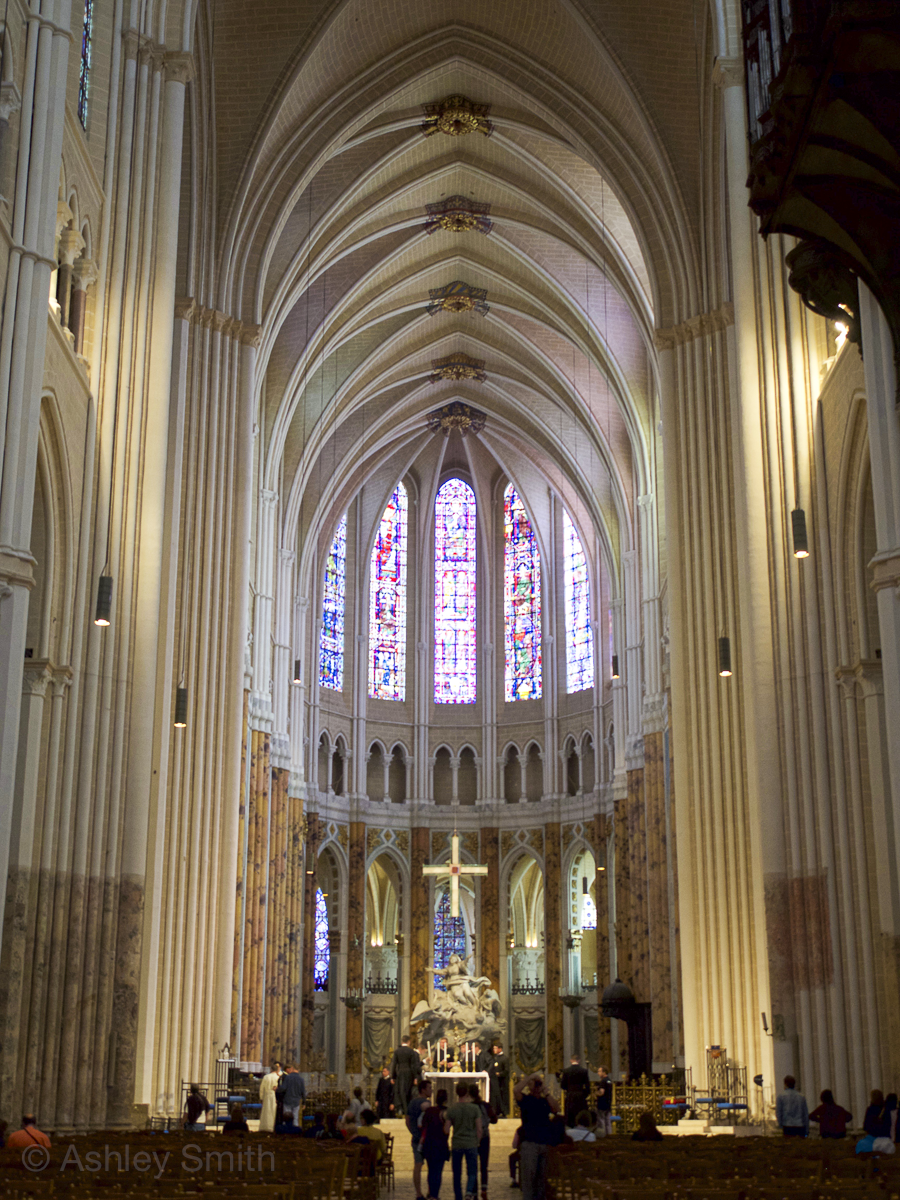
Chartres Cathedral
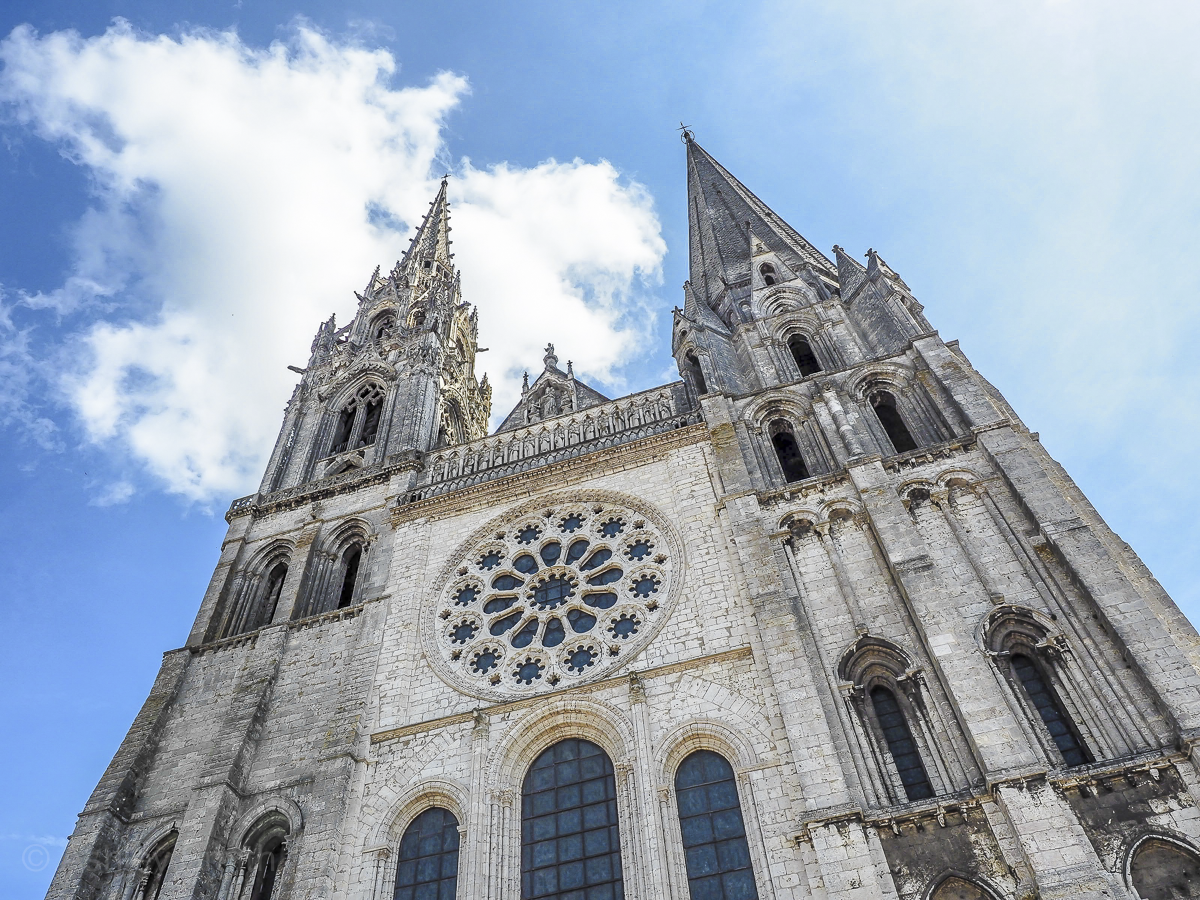
As is more of the Loire Valley actually, Chartres Cathedral is designated a UNESCO World Heritage Site, representing not only “the high point of French Gothic art” but also, I assume, “a Disney princess would totally get married here.” And it’d probably be Cinderella; she was the fanciest.
Chartres Cathedral dates back to 1205 and is famous for being one of the most well-preserved Gothic cathedrals in Europe. Most of its stained-glass windows are original and feature a special blue color that, by all accounts, just magically appeared. All these years later and still no one knows how it was made or has yet to replicate it. It even has a name: bleu de Chartres. Why not “Bibbidi Bobbidi Bleu” is beyond me.
Not that long ago, the cathedral underwent a super controversial renovation and has never looked so fresh and so clean. (Basically, they cleaned 800 years of dirt and grime off the interior surfaces and everyone lost their minds.)
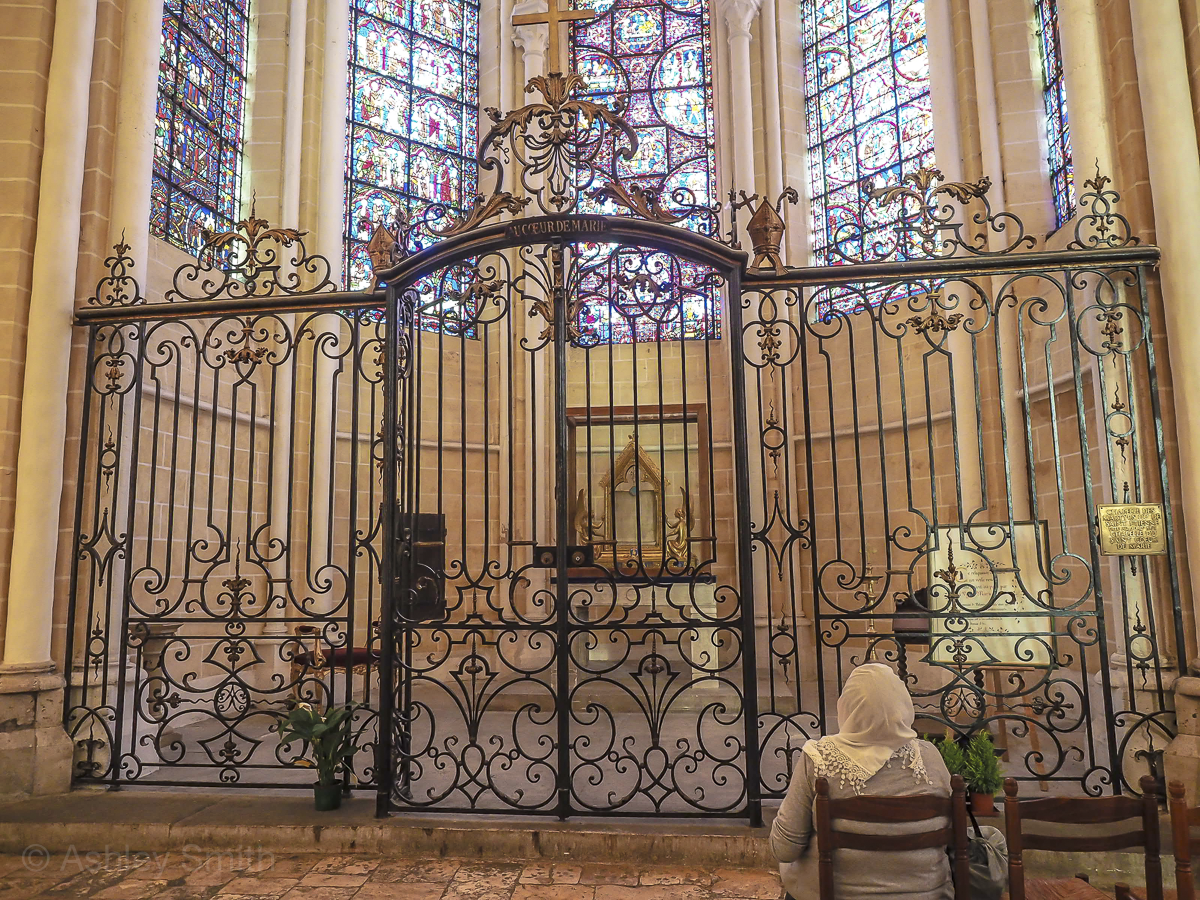
The Chartres Cathedral is also home to one of the most important religious relics out there—the Sancta Camisa—believed to be the tunic worn by the Virgin Mary on the night of Christ’s birth. Allegedly. For this reason (and others), this cathedral is a major pilgrimage destination. During my visit, a group of children were arriving after a 3-day trek from Paris.
Chartres museums
Chartres is also home to some great museums if you’re a museum nerd like me:
Walk around Chartres
Chartres, France is more charming than Chris Hemsworth in, well, just about any movie he’s ever done. (Remember when he played a reception in Ghostbusters? Adorable.) Anyway, Chartres is like Chris Hemsworth in Ghostbusters. It’s simple, beautiful in an understated way, and just puts a smile on your face and a flutter in your gut.
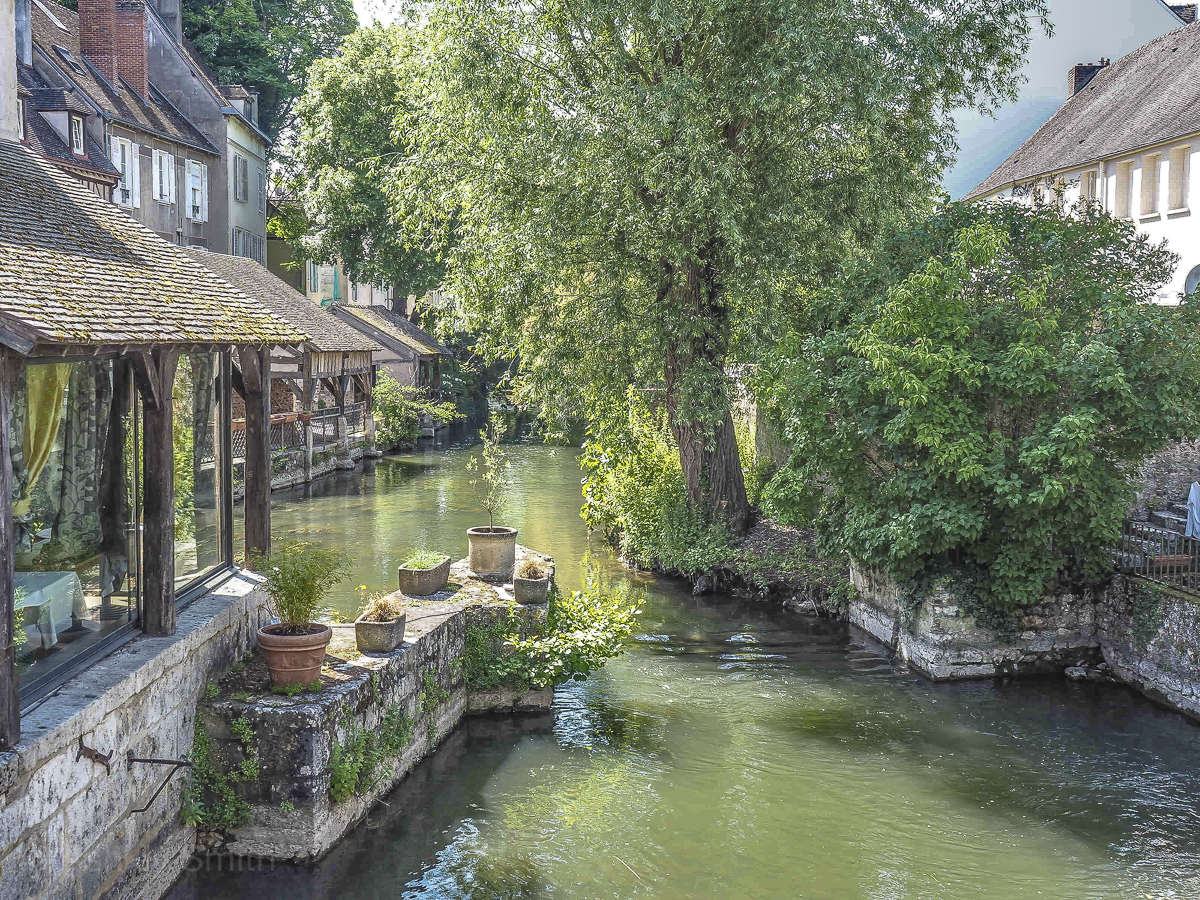
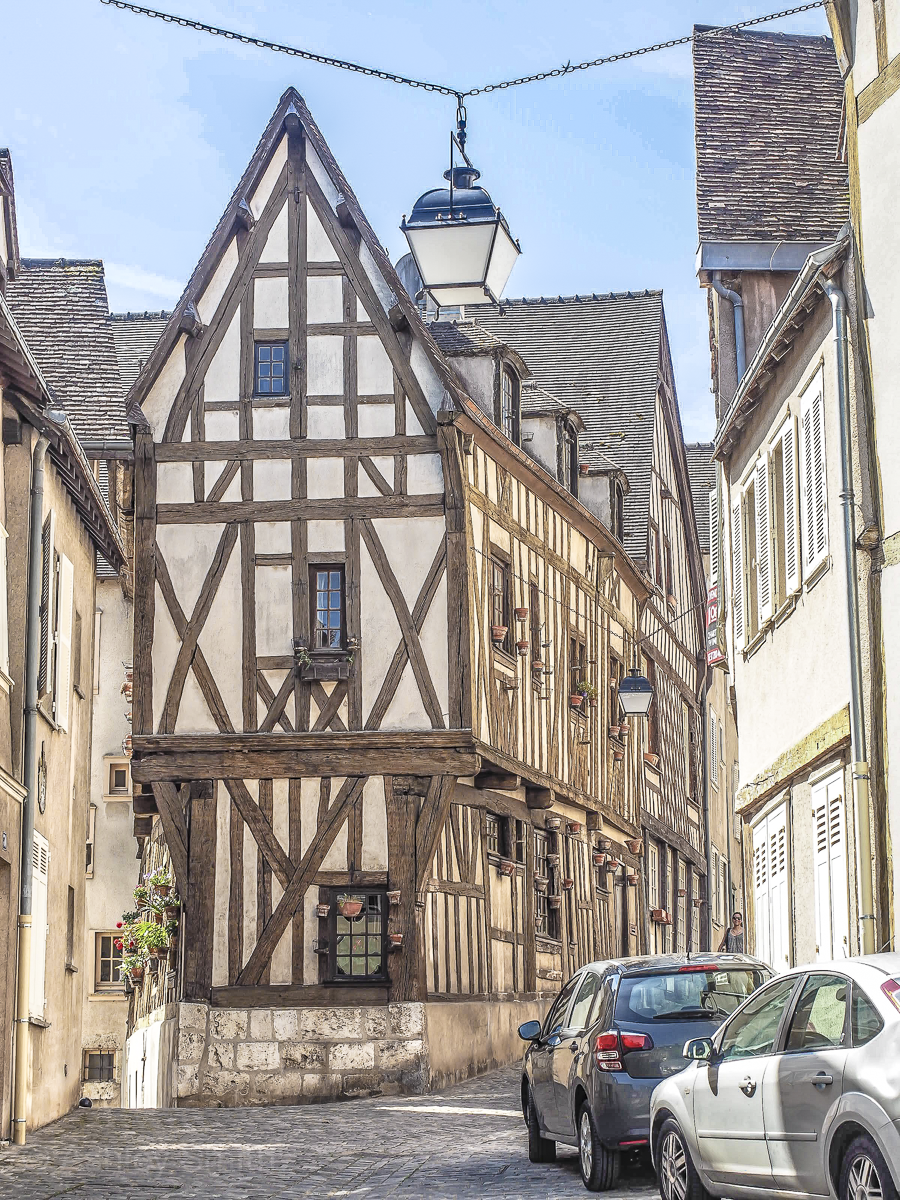
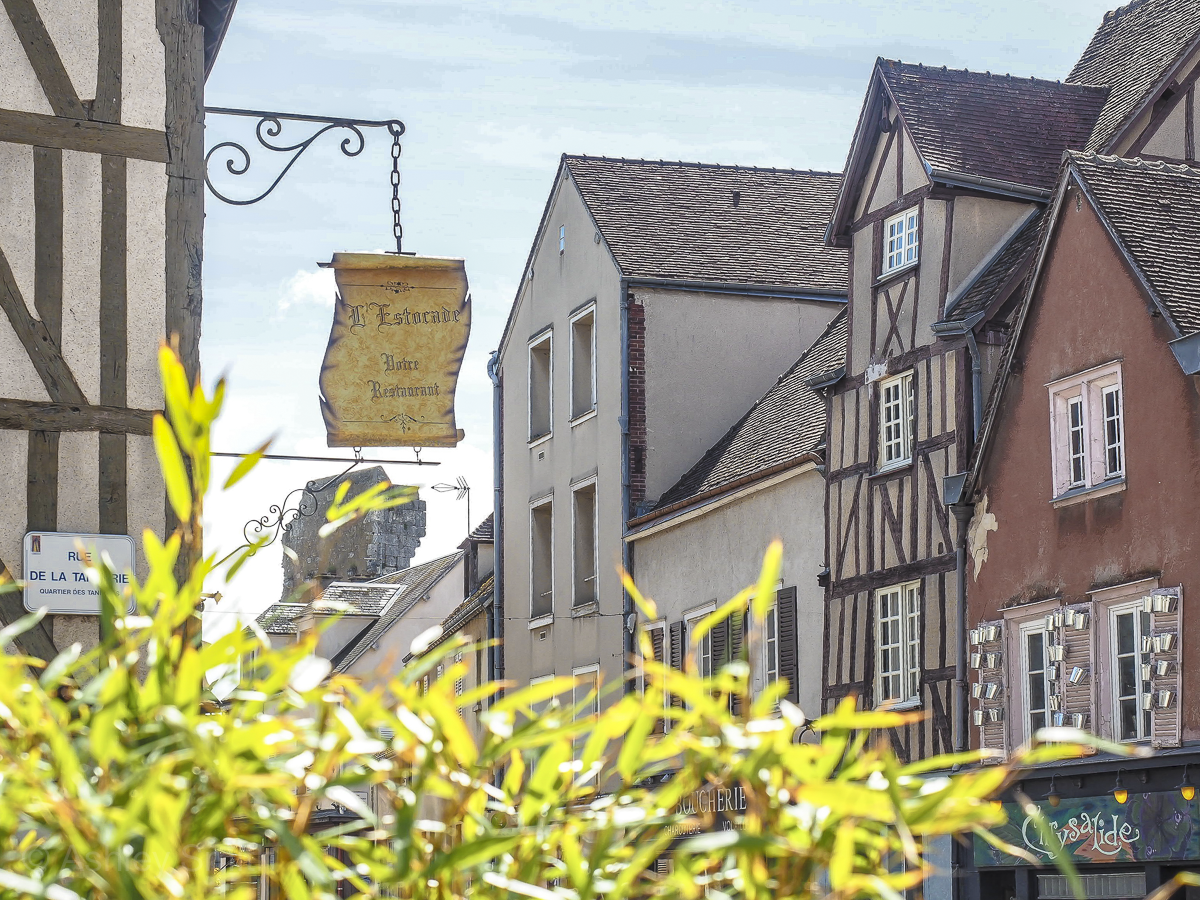
Definitely take some time to just walk around the half-timbered Old Town and take it all in. You’ll see adorable little streets, an old washing station along the river, friendly felines, and Europe’s most well-preserved church from about a hundred different angles. Also don’t miss:
- The 24-hour clock from 1520 (side of the cathedral)
- The Bishop’s Palace Garden / Labyrinthe de Chartres
- Marché aux Légumes if you’ll be here on a Wednesday or Saturday
If you need some guidance, check out this self-guided Chartres walking tour option.
Where to stay in Chartres
If you plan to make this an overnight trip, check out these great Chartres hotel options:
Or check out all Chartres accommodation options here.
Suggested reading for Chartres
Want to learn more about this adorable town? Check these out:
Also check out: How to Take a Day Trip to Giverny (Monet’s waterlily pond and gardens)

2. Go wine tasting
You can’t visit the Loire Valley and not go wine tasting. It’s one of the world’s top wine-producing regions and it’s your duty to sample the goods. That would be like going to Mexico and not eating tacos. That’s just downright egregious.
What kind of wine to drink in the Loire Valley
The Loire Valley is mostly known for its white wines (Chenins and Sauvignon Blancs) and is the second largest producer of sparkling wine just after Champagne (the region with a capital ‘C’).
Within the Loire Valley wine region are separate, individual wine regions with names like Sancerre, Muscadet, Chinon, Vouvray, and the even more French-sounding Pouilly-Fumé. But when your knowledge of wine goes only mere inches beyond “Red” or “White,” this all boils down to nonsense. Ergo, you must taste them all.
The Loire Valley tourism site has an 8-page list of wine cellars and tastings available to tourists so you have choices a-plenty. The one I went to is on page 7.
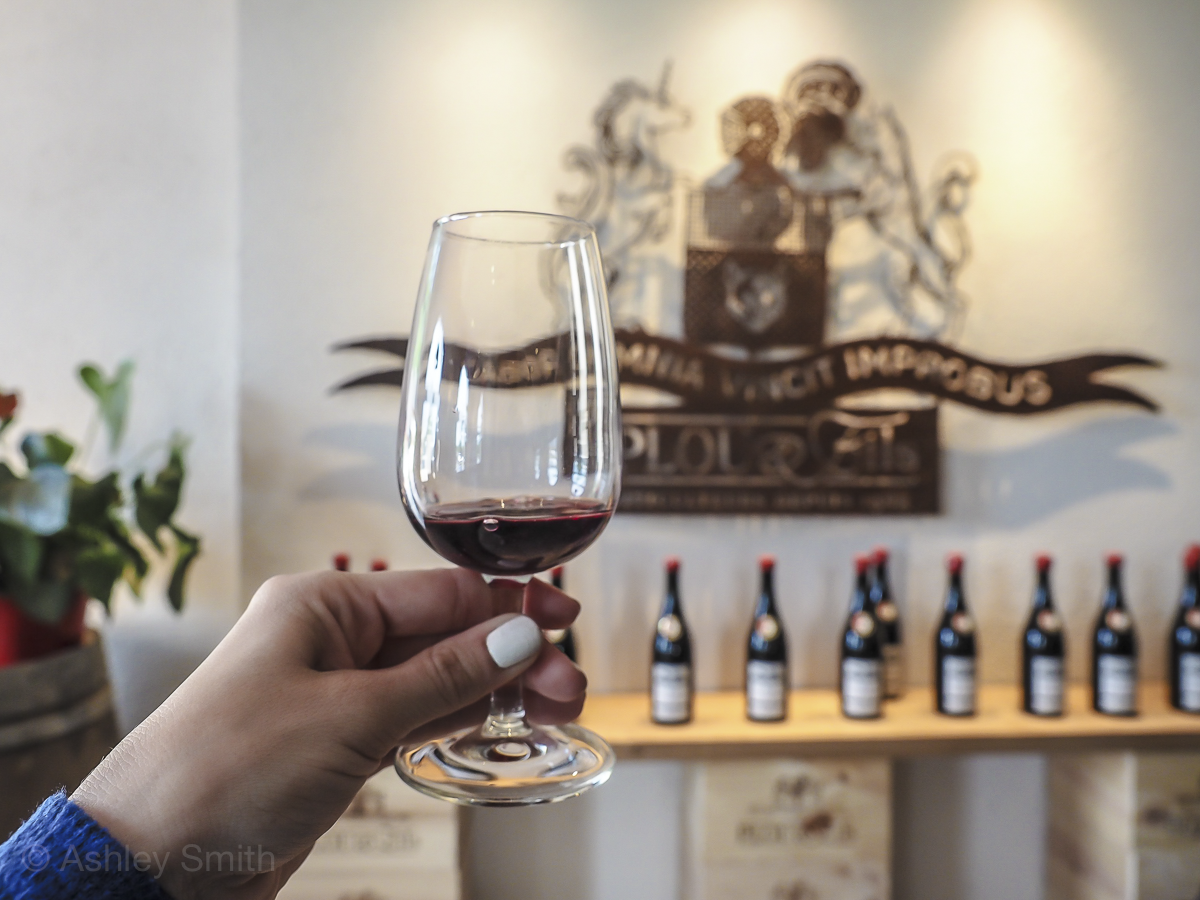
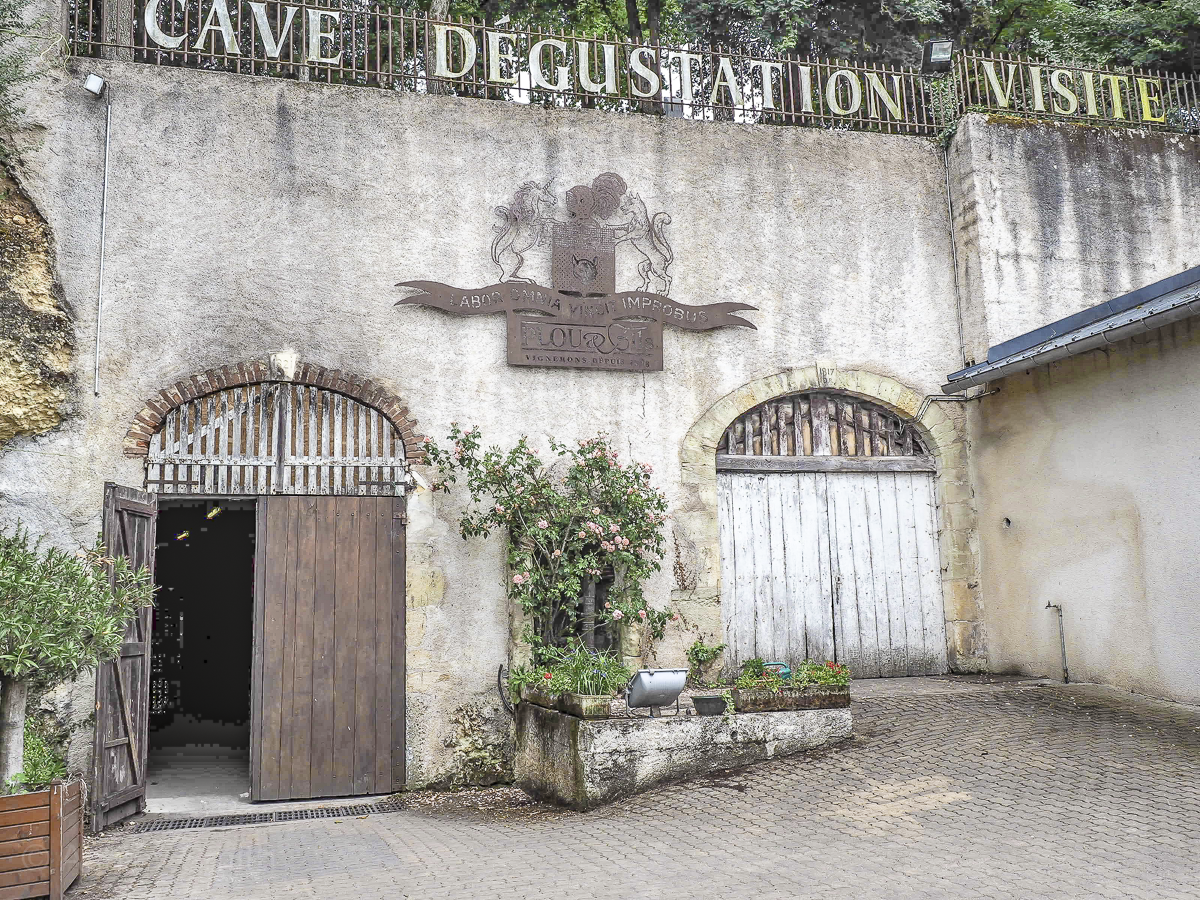
Plou et Fils tour and wine tasting
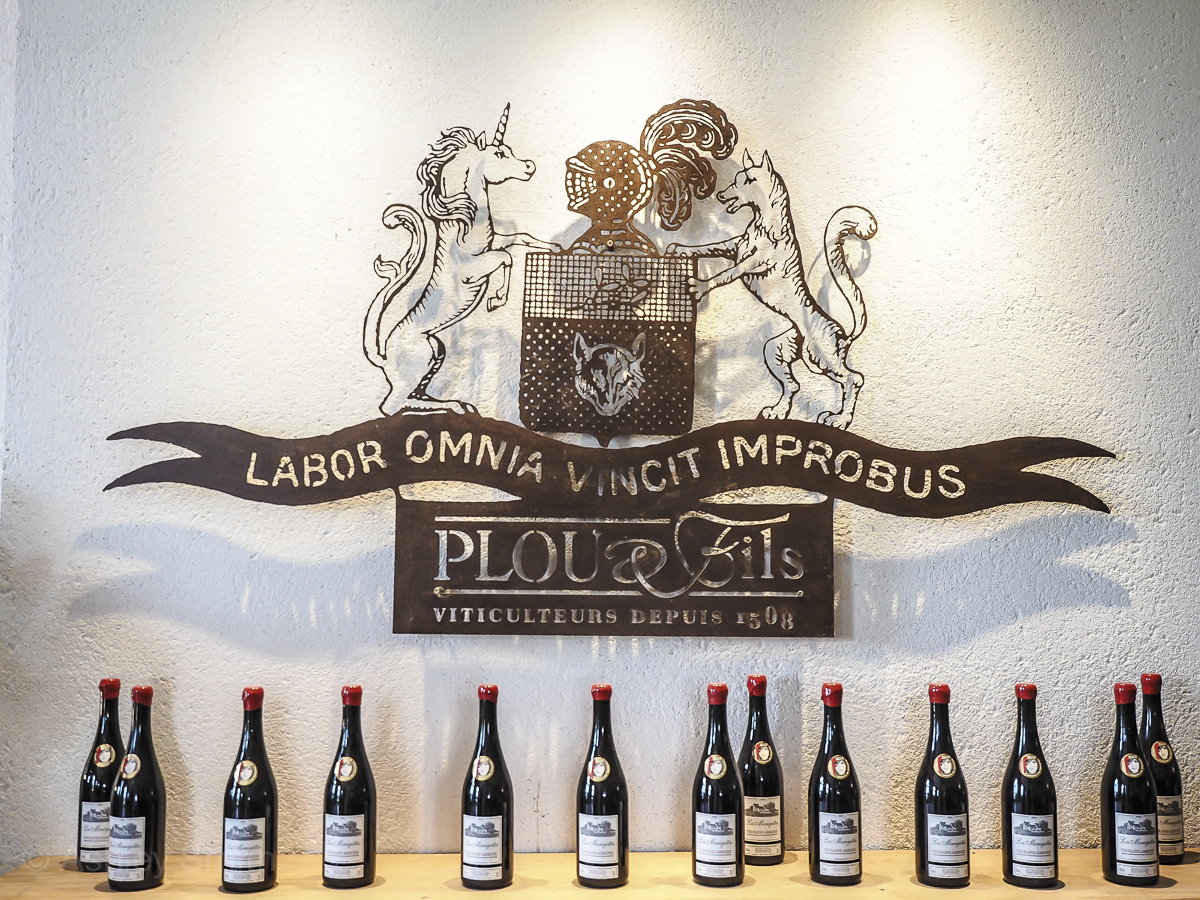
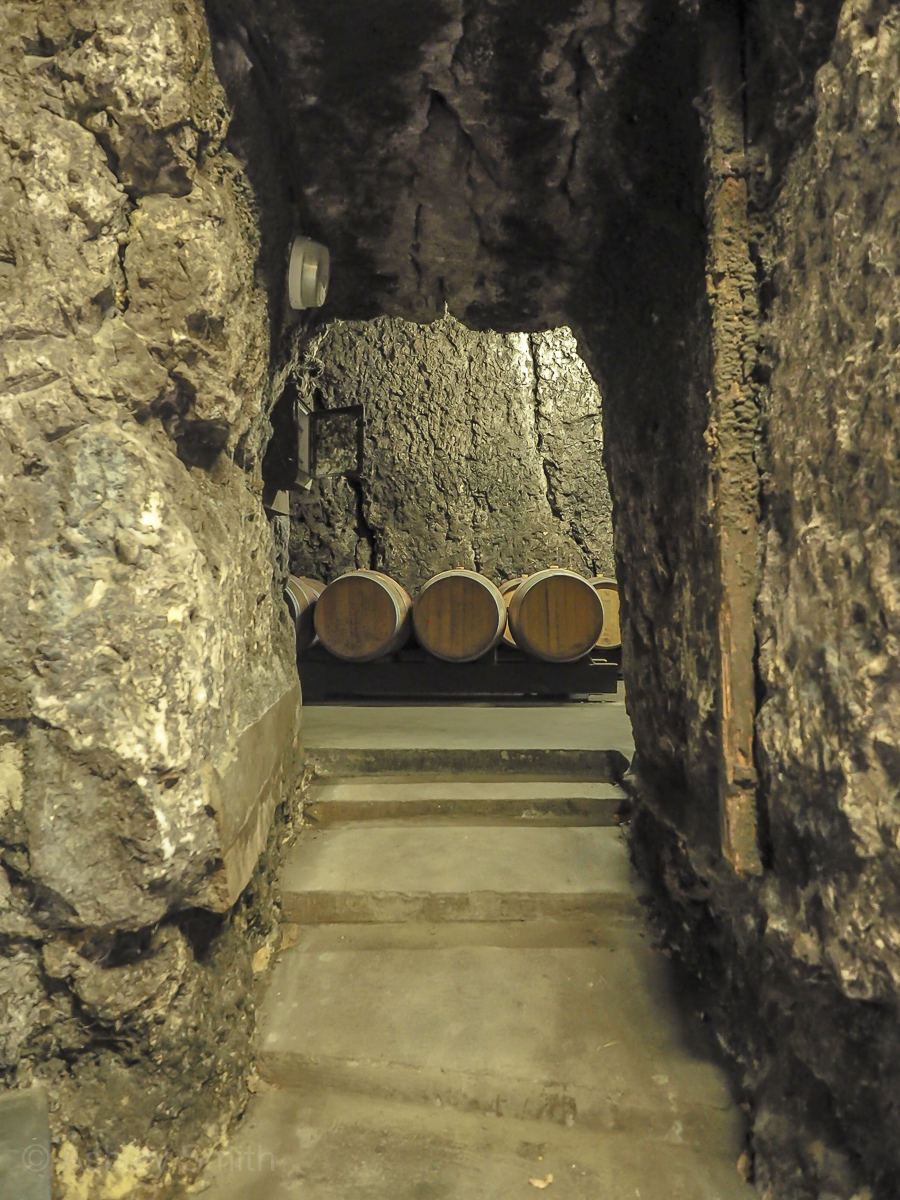
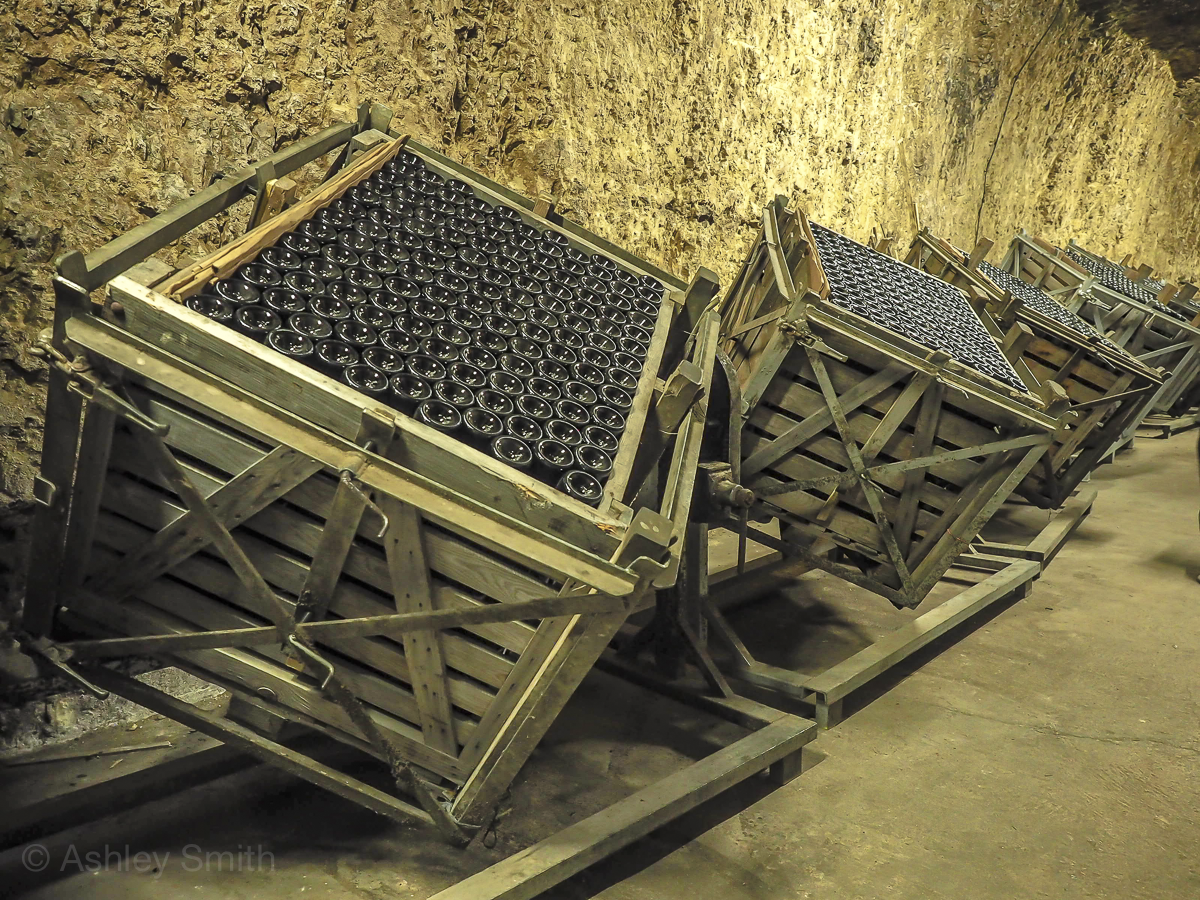
At Plou & Fils we took a full tour of the facility including the wine caves and the production and bottling lines. We learned about grapes and climate and, most importantly, we got to sample every single one.
Plou et Fils offers a few different tour and tasting options and they’re all free! You get free time to tour the vineyard (self-guided), a guided tour of their wine cellars, and the chance to try 16 different kinds of wine. There’s even one called “Milady” which obviously is my favorite.
Loire Valley wine tours
Beyond the one at Plou et Fils, there are several other wineries and wine tasting experiences you can enjoy here. See if any of these popular options interest you:
Also check out: Complete Guide to Attending the Versailles Grand Masked Ball
3. Spend a day in Amboise
Okay, France’s Loire Valley is plentiful in many things–castles, wine, unpronounceable words, but also quaint, half-timbered towns that don’t even seen real. The town of Amboise is another example.
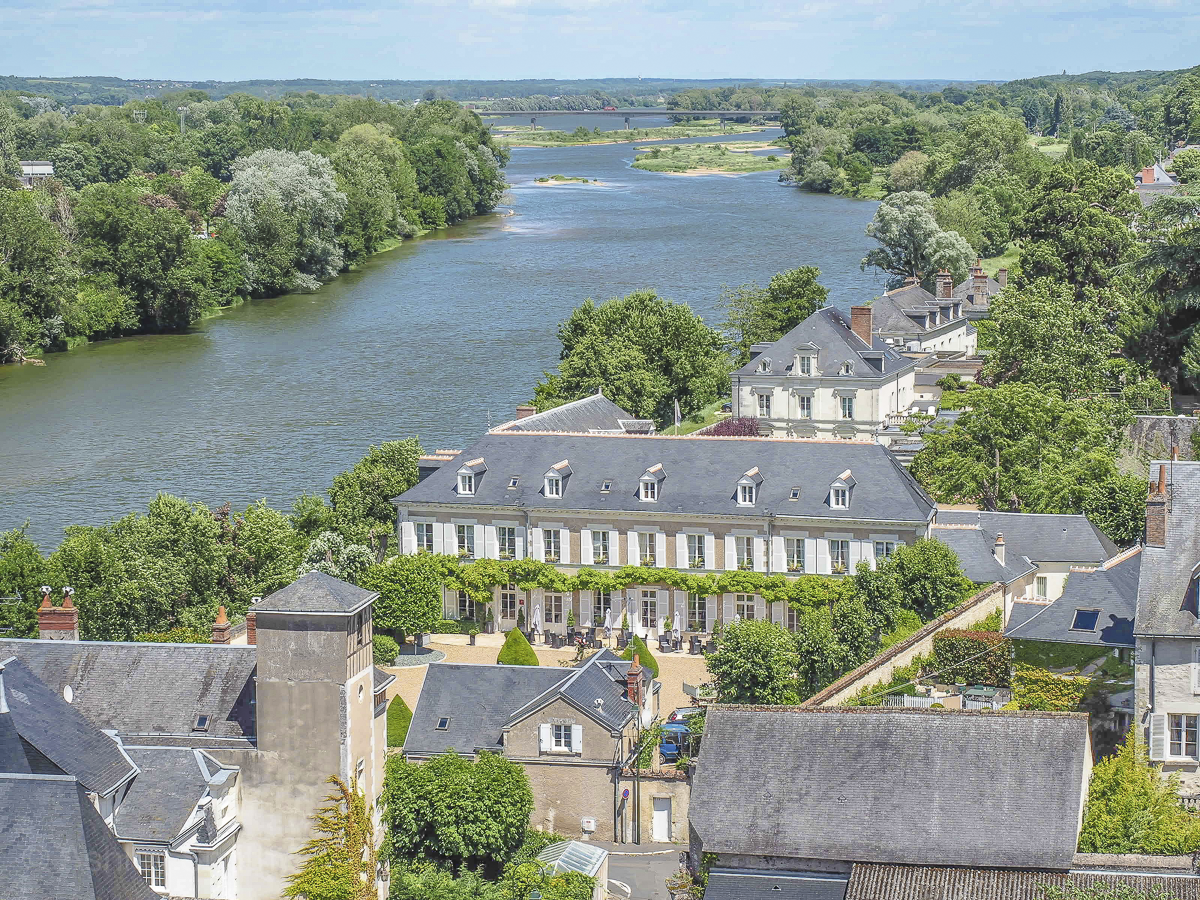
The Loire River
When you reach Amboise, you’ll be right up against the Loire River. The Loire Valley is great and all, but the Loire River itself is pretty cool too. Not only is it France’s longest river, but it’s completely wild. To call the river “wild” means no part of it is dammed or contained within cement walls, and that it sometimes dances on tables at bars when “its jam” comes on. (Probably all that wine.)
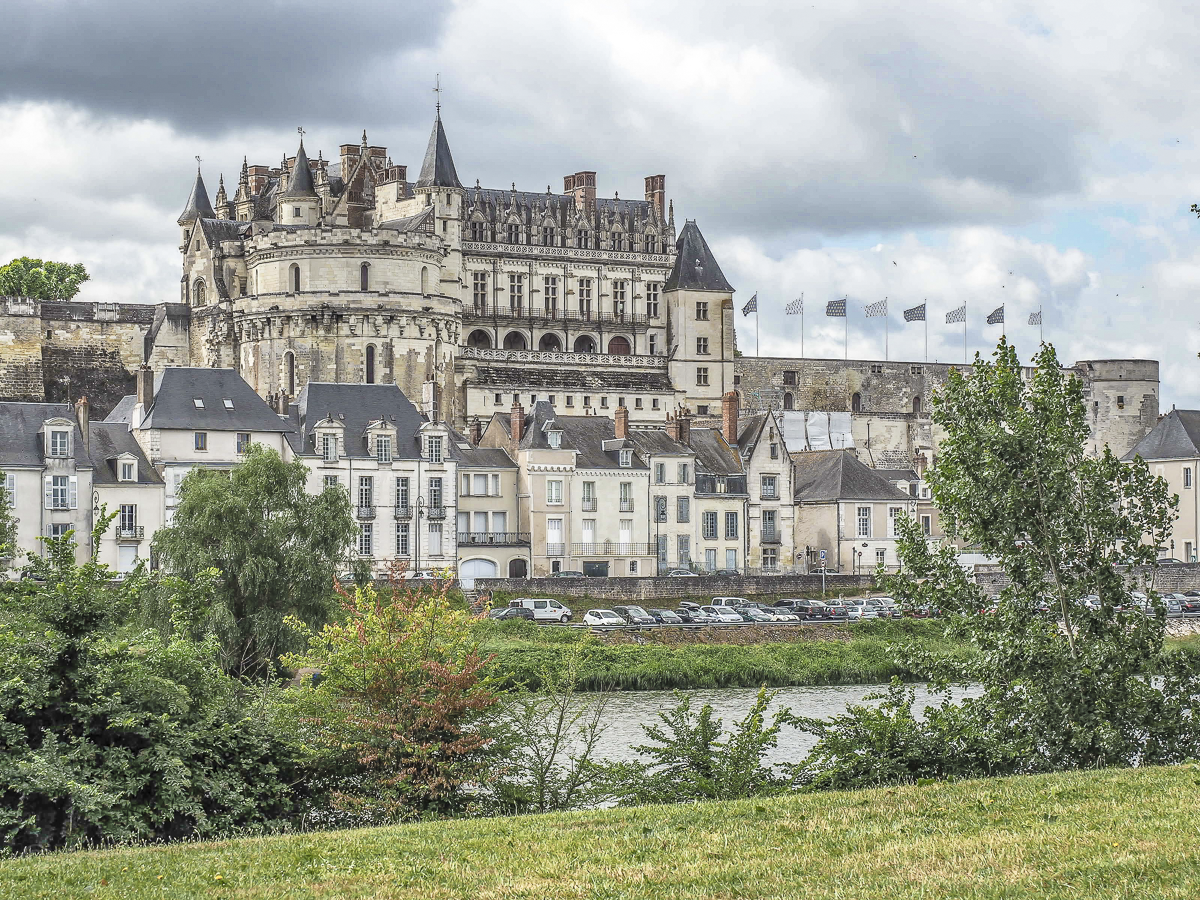
Amboise Castle
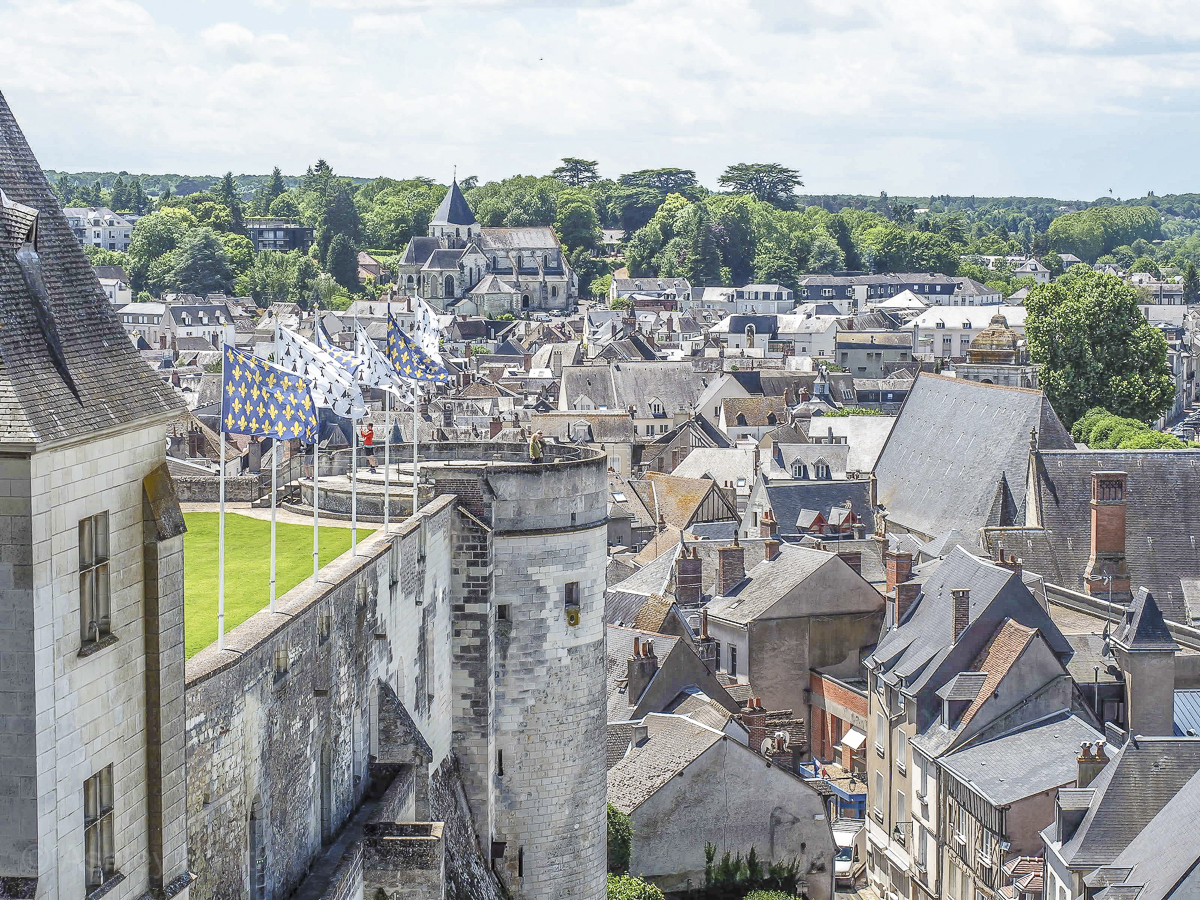
Amboise Castle is absolutely massive and located high on a hill overlooking that floozy of a river. It was built on the foundations of an old fortress and is famous as being the one-time home of the French royal court.
Over time it has been a luxury palace, all but abandoned, used as a prison, visited by Joan of Arc, mostly demolished, confiscated by the government, and, now, is visited by tons upon tons of tourists each year.
Unlike many of the other châteaux you’ll visit in the Loire Valley, Château d’Amboise is unique in that it’s smack in the middle of the city–not surrounded by miles of countryside and donkey farms (I’ll get to that in a minute).
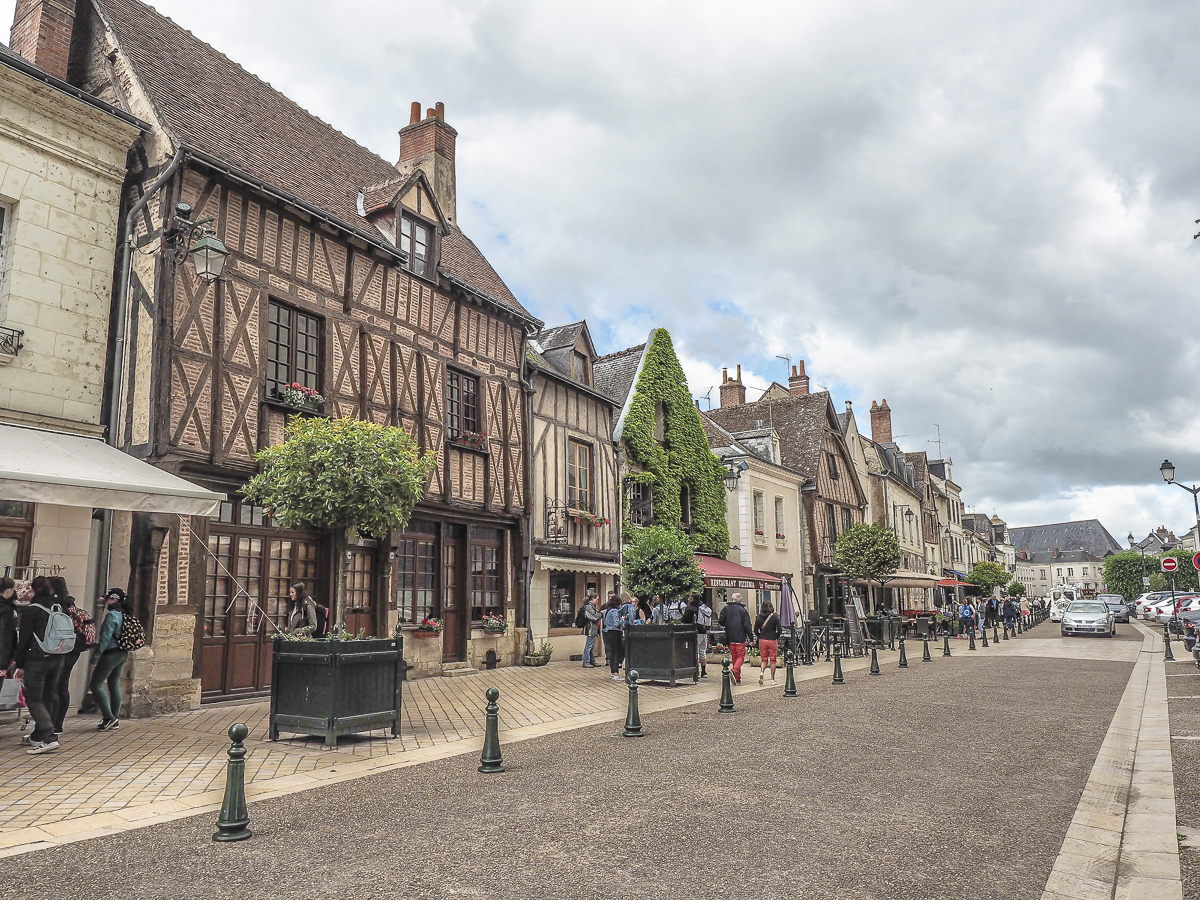
Medieval charm
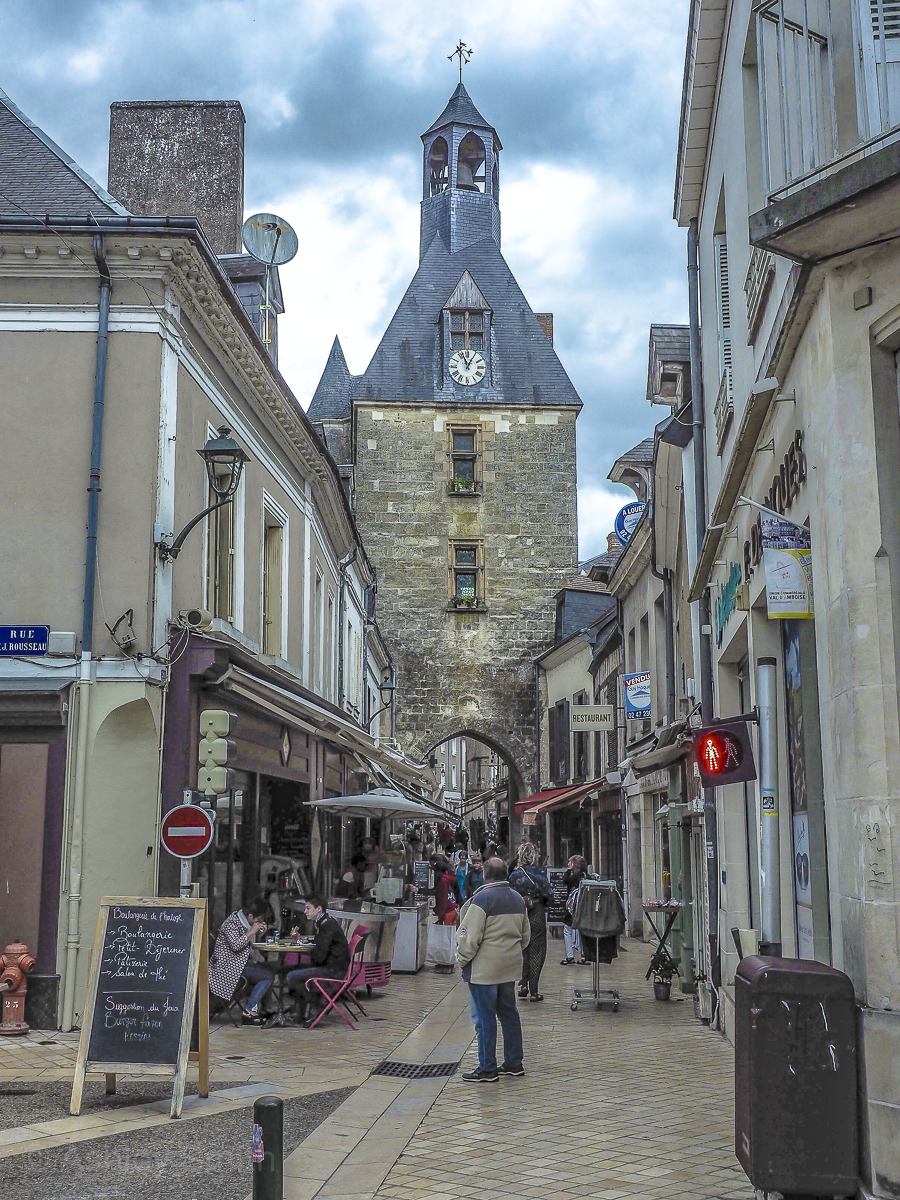
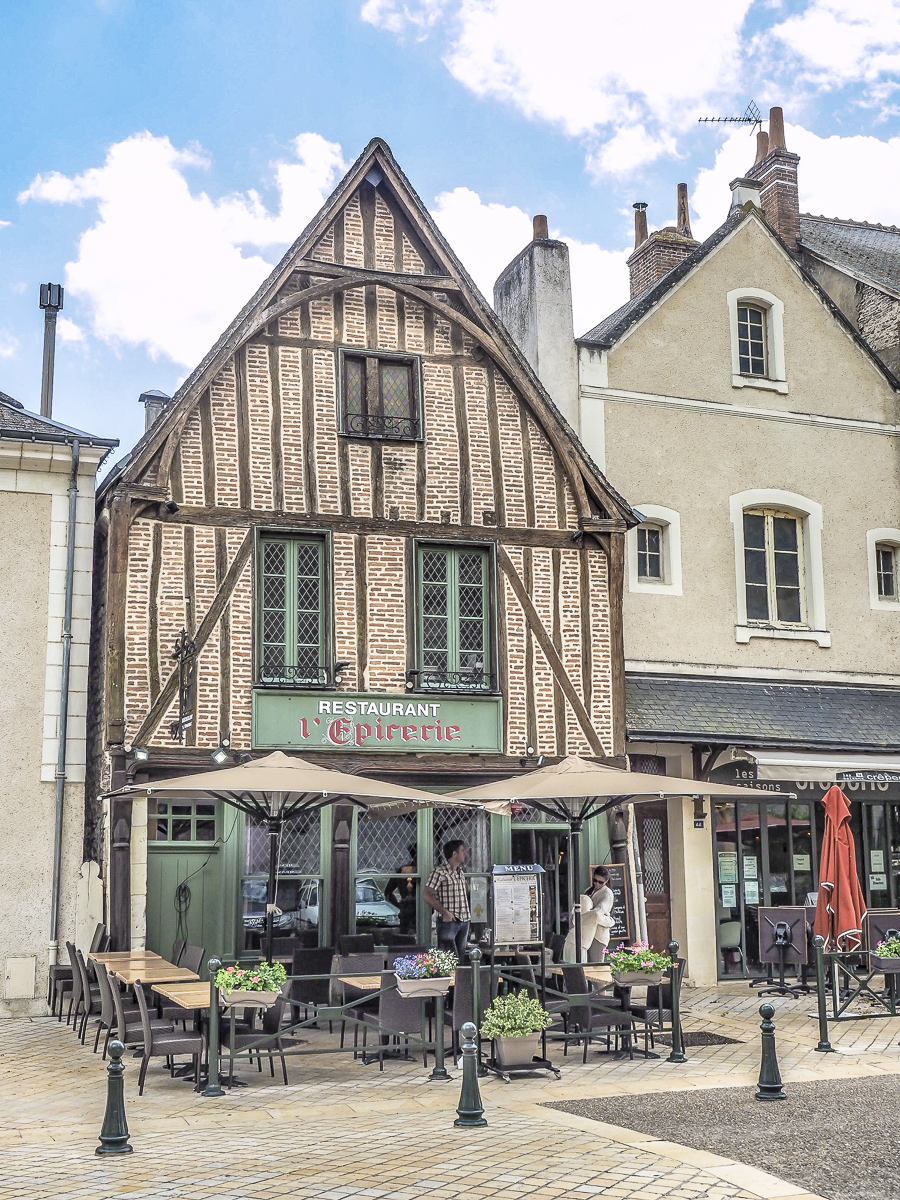
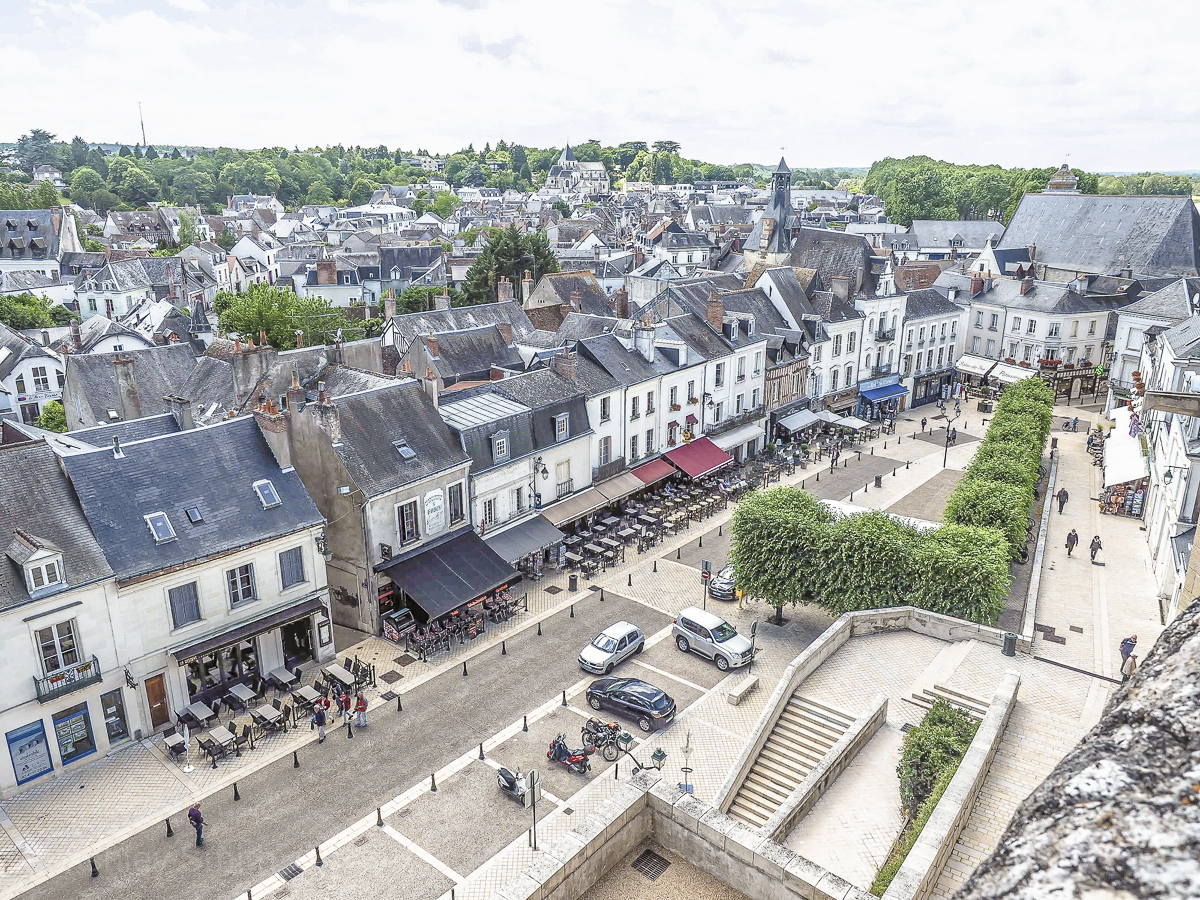
The town of Amboise is charmingly unmodernized and you’ll get the feeling you’ve gone back in time. Just like in Chartres, spend some time roaming the streets and alleyways. There are many lovely places to grab lunch, a gelato, and surprise! more wine. Don’t miss:
But the most popular thing to do in Amboise is…
4. Connect with Leonardo da Vinci
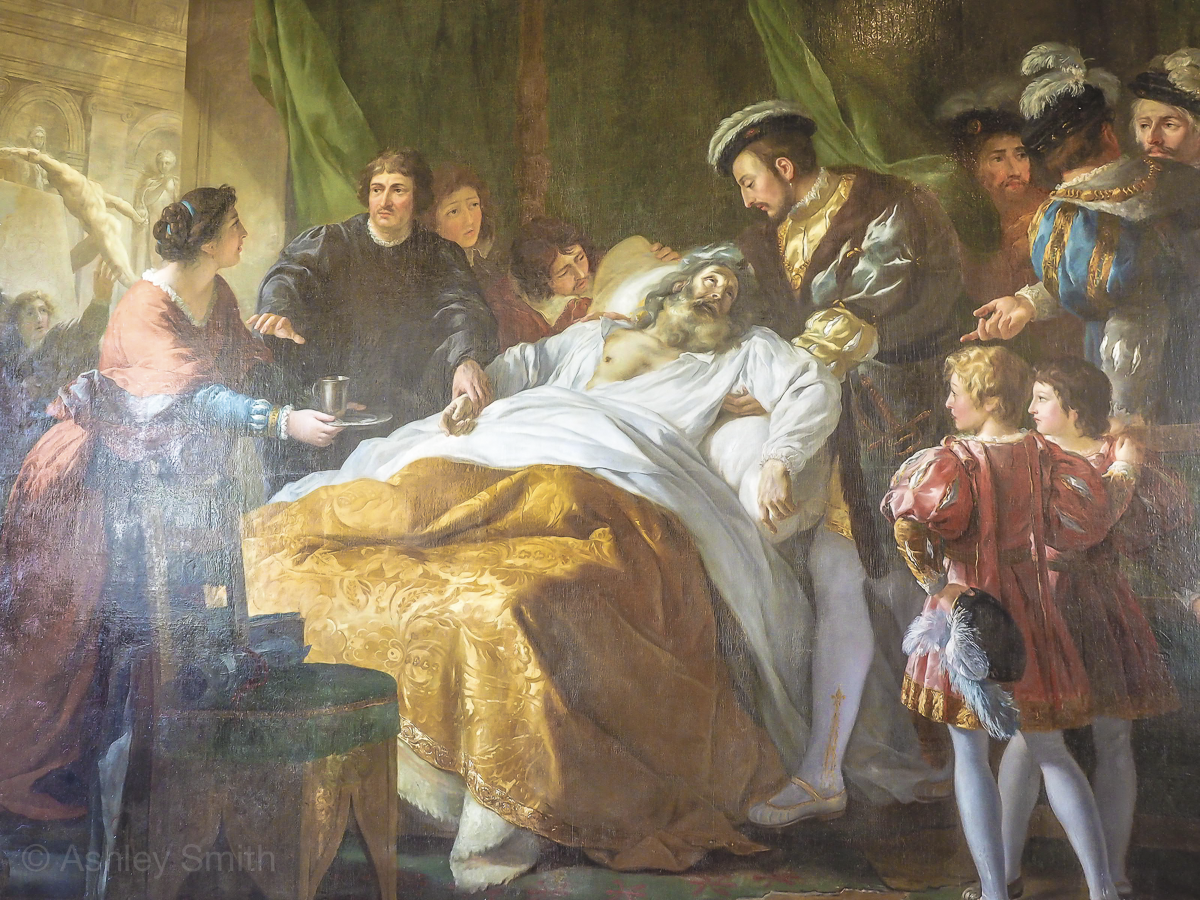
Hold the device that’s the 15th-century precursor to the phone! Wasn’t Leonardo da Vinci all about Italy? Turns out the Renaissance genius was all over Italy… and beyond. Though he spent most of his life in Florence, Milan, and a little bit in Venice, he spent the last part of his life in Amboise, France.
In 1516, the King of France invited Da Vinci to come work for him at Château d’Amboise as his personal painter, engineer, architect, and all-around Renaissance badass. He accepted and moved into a nearby château of his own where he spent the last three years of his life.
While visiting Amboise, you can connect with Leonardo da Vinci at:
Le Clos Lucé
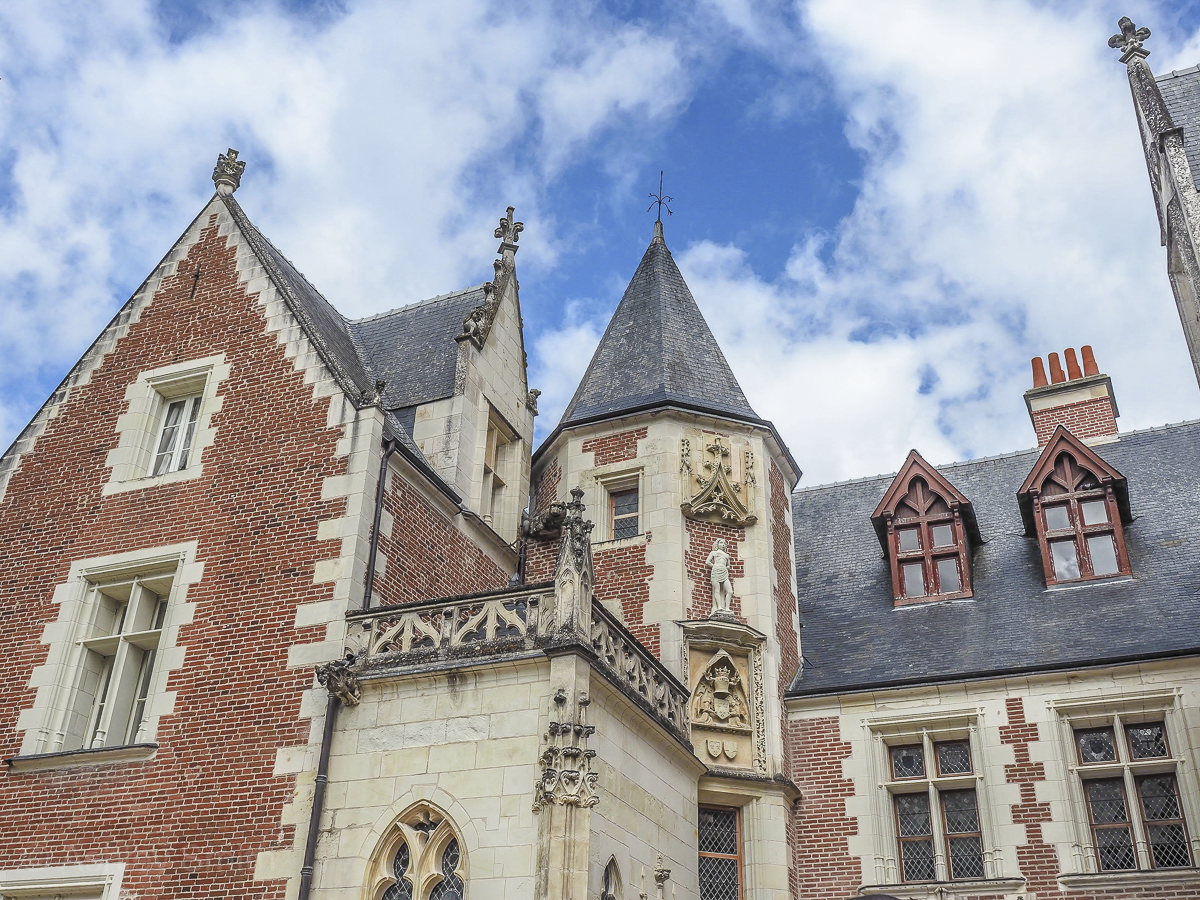
Le Clos Lucé is the “small” château where Leonardo da Vinci lived and worked while in Amboise. Today, the preserved inside has been turned into a sort of Leonardo da Vinci museum where you can tour the rooms he used to call maison.
You can visit his workshops, the library, the basement, and even his private bedchamber which is just a fancy French word for ‘digs’.
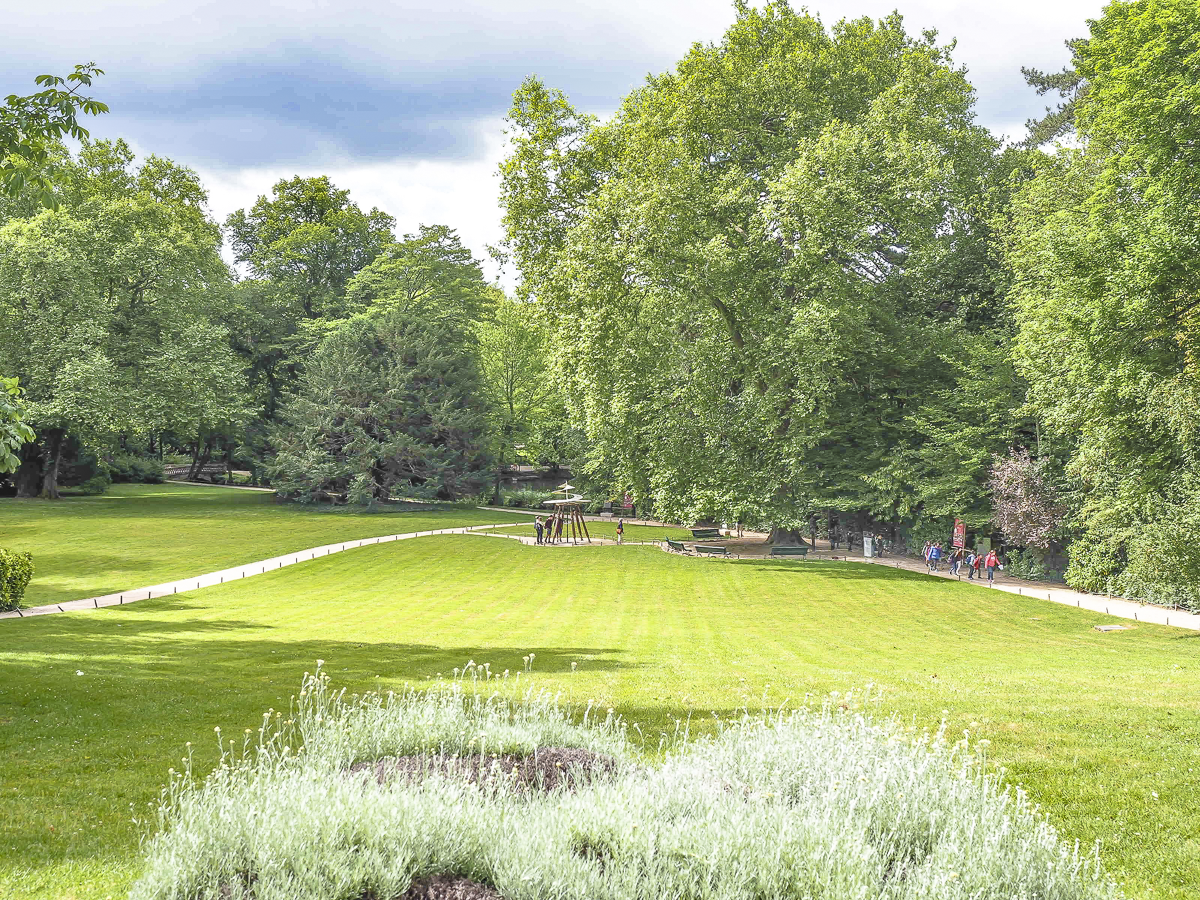
Outside the château is the Leonardo da Vinci Park and Gardens. It’s part beautiful French garden (ho-hum) and part filled with life-size models of Leonardo’s inventions you can totally climb on–all crafted using his exact specifications.
Get your Le Clos Lucé entrance ticket here or opt for a guided tour.
Chapel of Saint Hubert
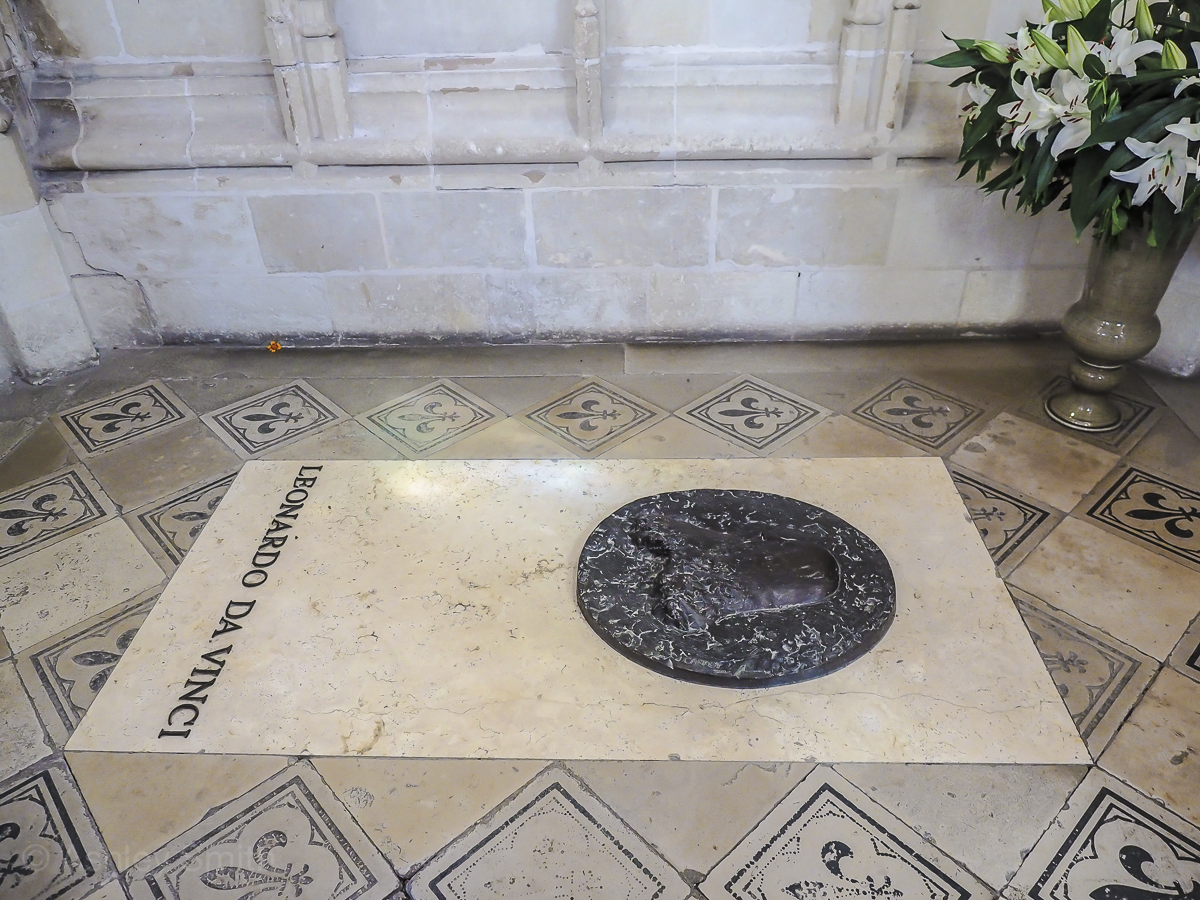
Back at Amboise Castle you’ll have the chance to visit the Chapel of Saint Hubert – Leonardo’s actual last residence. Because he’s buried here.
Where to stay in Amboise
If you’d like to stay the night in this delightful town, start your hotel search here:
See all other Amboise accommodation options here.
Suggested reading for Amboise
Want to learn more about this adorable town? Check these out:
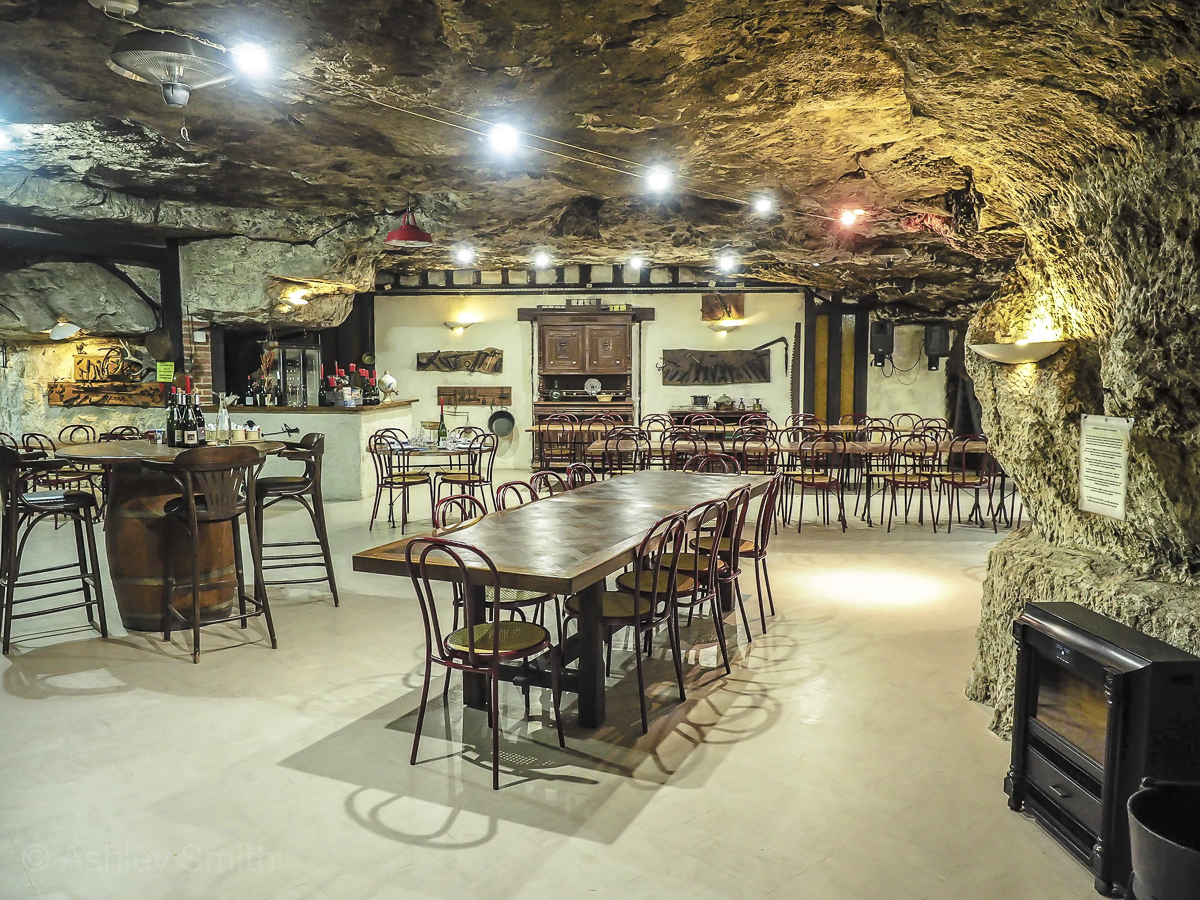
5. Have dinner in a troglodyte cave
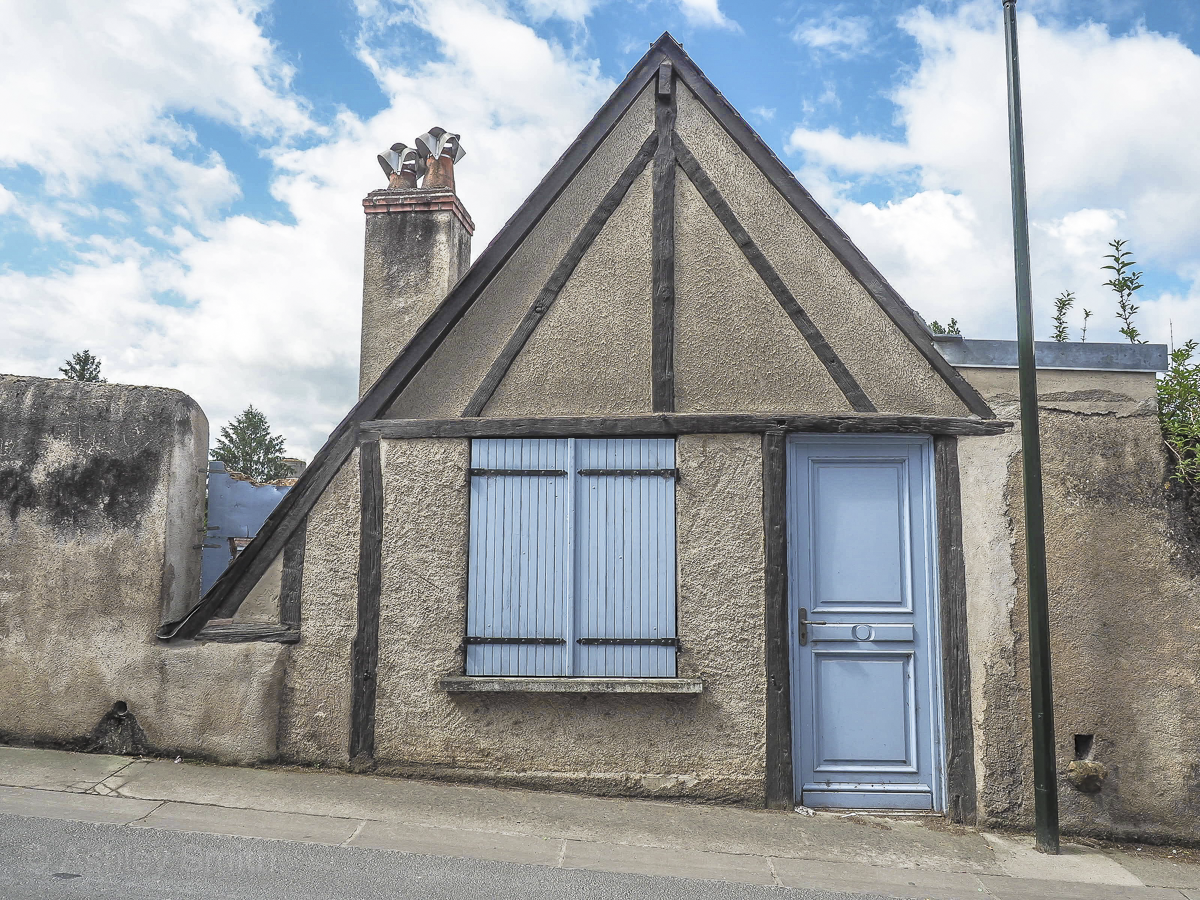
We have no reached the Shrek portion of this program, ladies and gentlemen. Though it sounds like something out of Jurassic Park, a troglodyte is actually a human cave dweller. I realize that explanation doesn’t really help. Look, just picture the living arrangements of the Flintstones and you’ll be set. Here’s an example.
You see, all throughout France’s Loire Valley you’ll find homes built right there into the sides of slopes and rock faces. The rock material in this region is soft enough that you can just cut into the mountainside and post up.
What seems kind of bizarre makes a lot of sense. These in-the-rock dwellings maintain a constant year-round temperature—cool in the summer and warm in the winter. As you’ll see, they’re also a great place to have dinner.
If cave life interests you, definitely check out my post on Matera, Italy where the whole city is one giant cave-dwelling city. I spent the night in a cave hotel!
La Cave aux Fouées
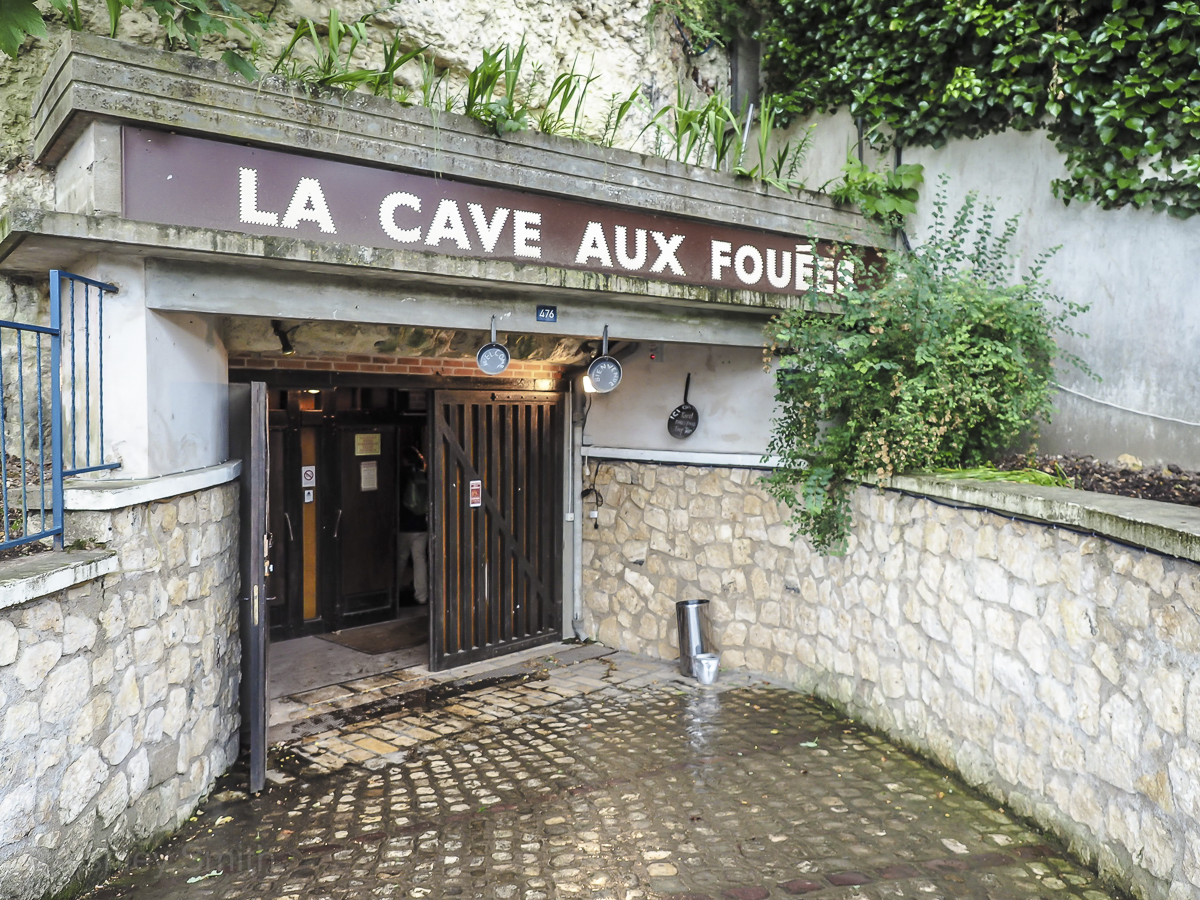
The food at La Cave aux Fouées is great, but the atmosphere is phenomenal. Dinner here is exactly what you’d expect to come out of a cave—a hearty meat and potatoes affair. But I promise this is the fanciest cave you’ll ever have dinner in.
Update: I have since eaten at a much fancier cave! Check out my post on what it’s like dining at Italy’s famous cave restaurant here.
However, the highlight of your meal is going to be the all-you-can-eat fouées, a small pocket bread baked in their special cave oven. You can watch them bake the bread that’s meant to be eaten straight out of the oven and stuffed with a traditional pork spread. No one will judge you if you just stand at the oven and snatch basket after basket.
Having dinner in a troglodyte cave is definitely the Shrek in a world of Cinderellas but it’s truly a unique and unforgettable experience I highly recommend.

6. Check out Château Chambord
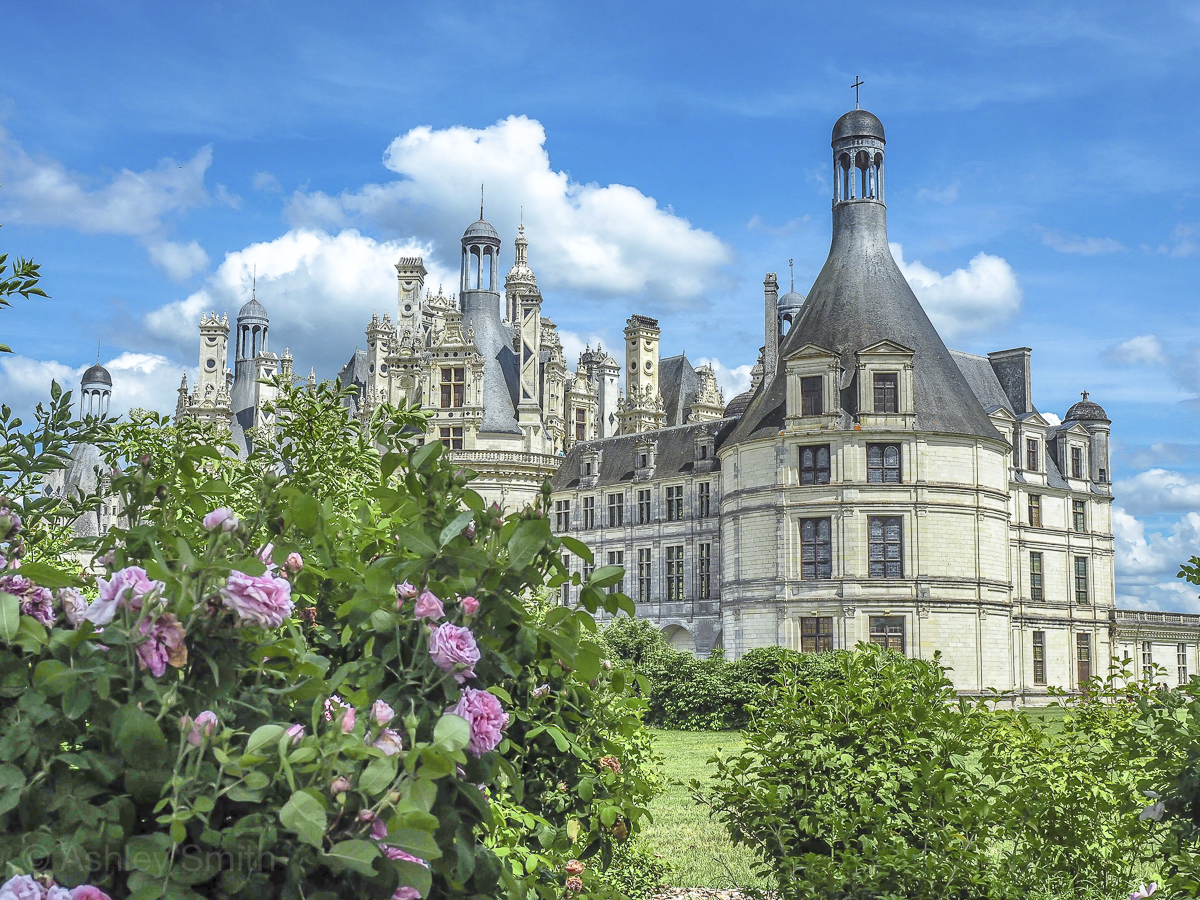
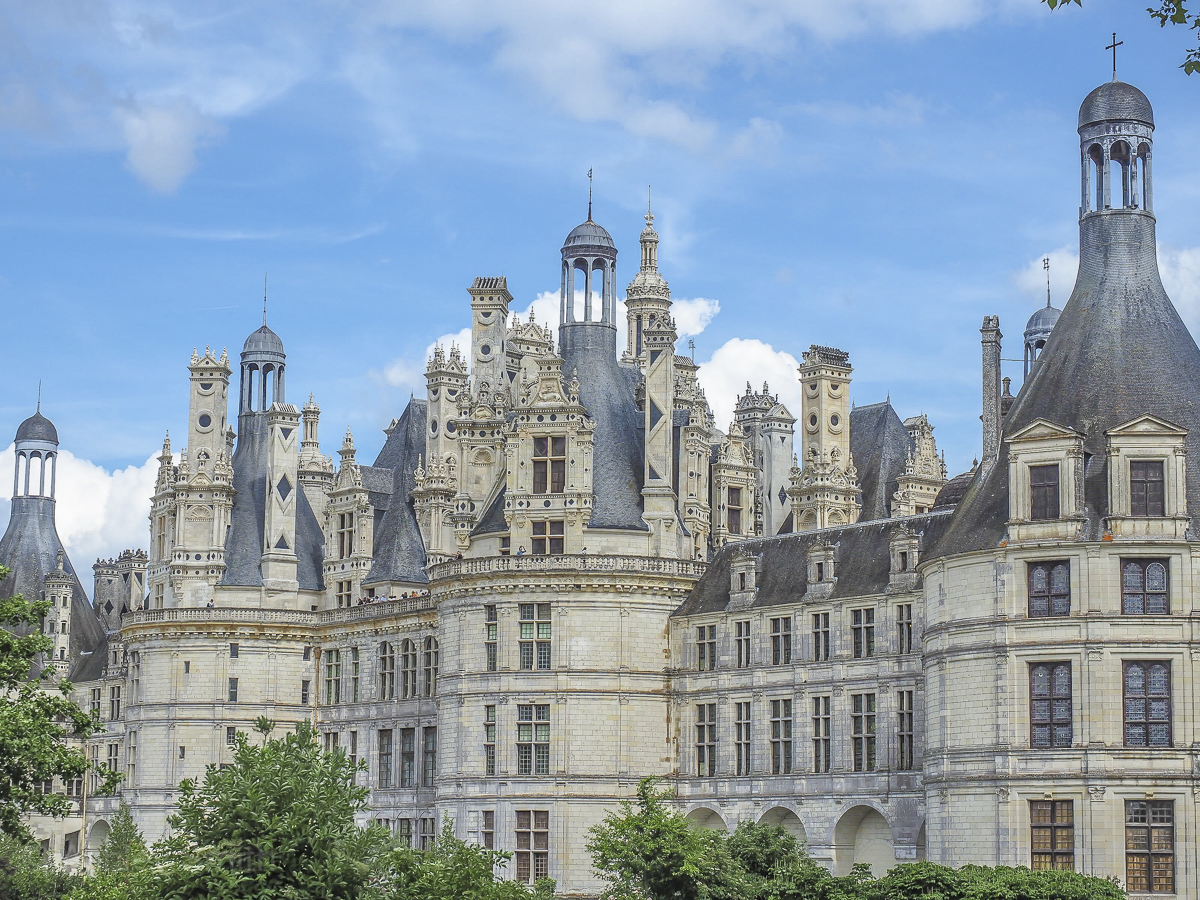
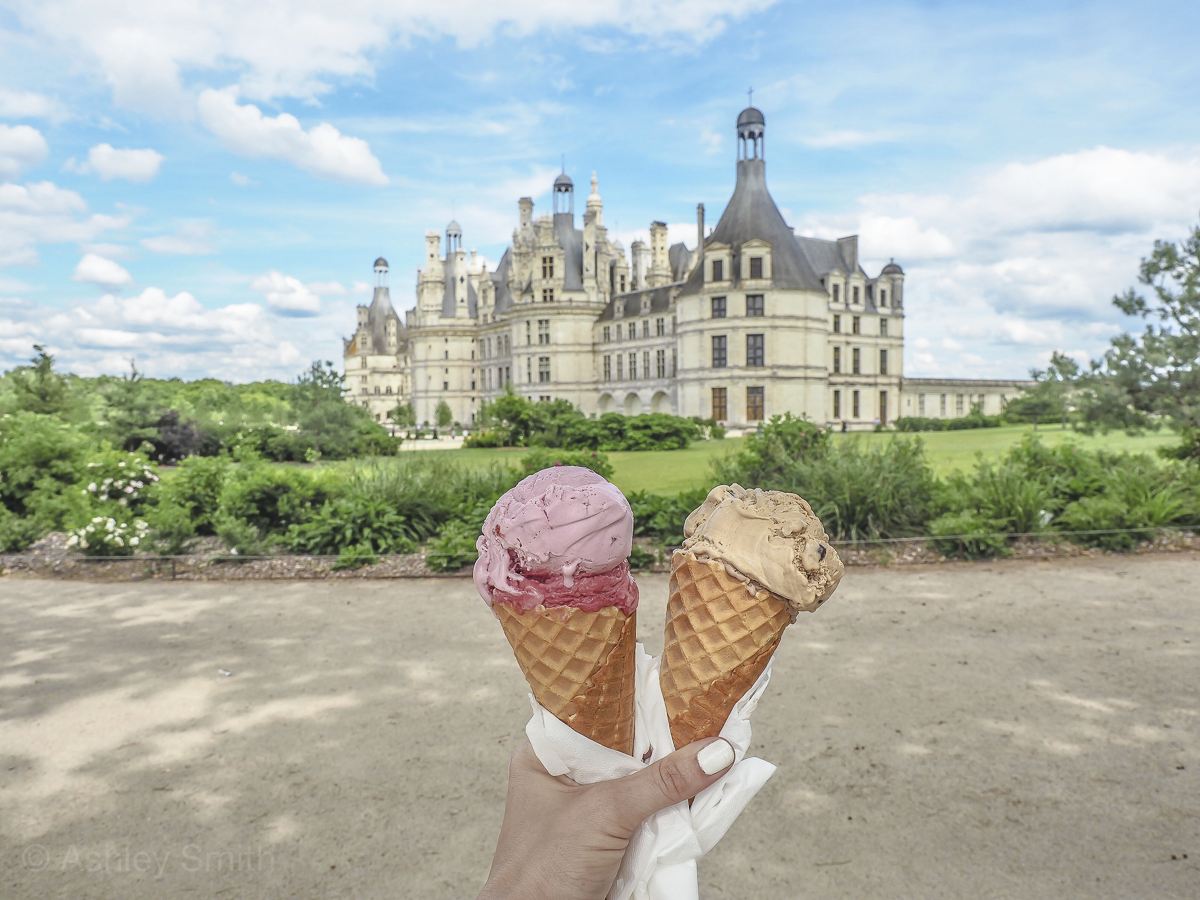
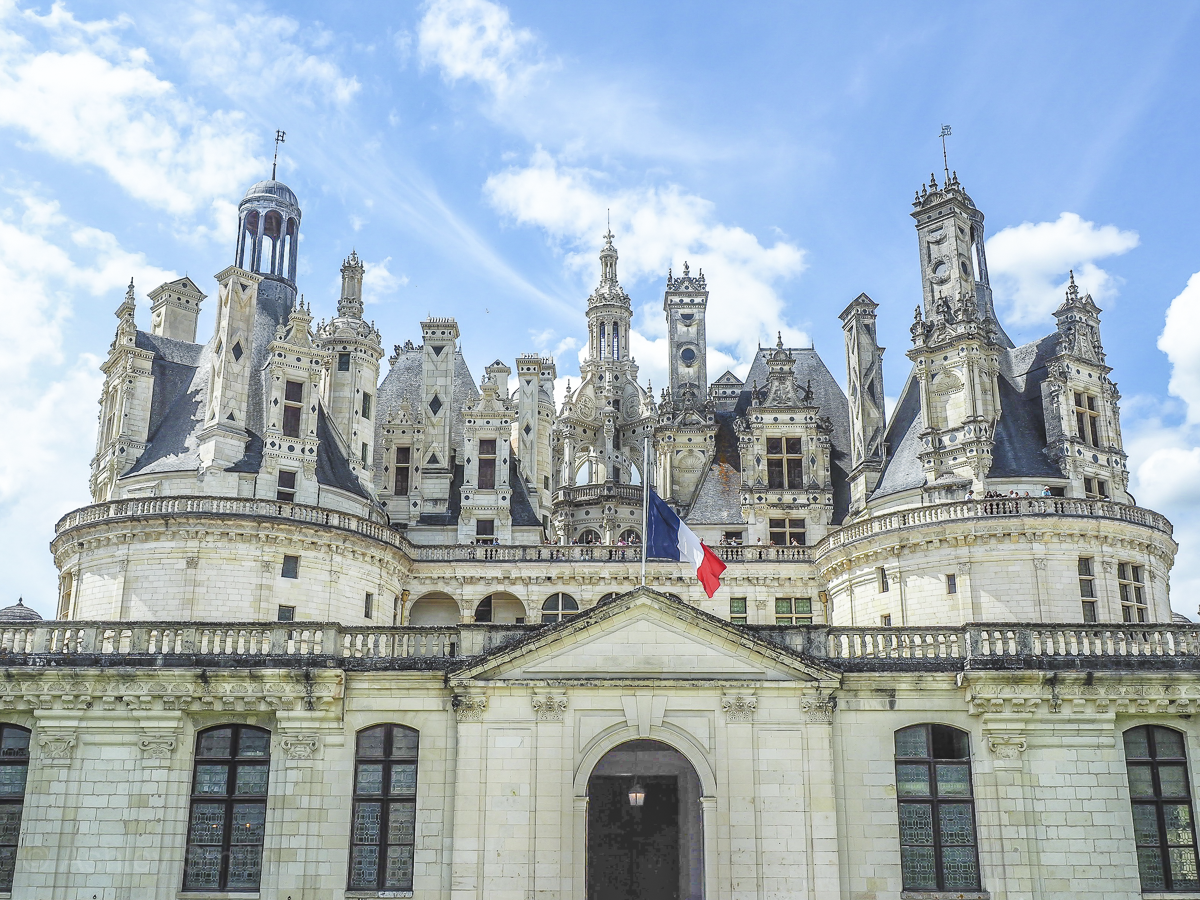
If anything in France’s Loire Valley is WTF, it’s definitely the whoa that’s fancy Château Chambord. In the land of gaudy, freakishly huge châteaux, Château Chambord is the biggest and by far the gaudiest. This place is almost obscene in its opulence.
It was actually built as a mere hunting lodge for the king of France who ended up only spending a few weeks here total. A HUNTING LODGE, I SAY.
While most castles are built with a defense strategy in mind, châteaux on the other hand are purely ornamental cribs to make you look good in front of your arch rivals. Instead of fortifications, they come with manicured gardens, water features, and decorative aspects that have absolutely zero function. Château Chambord is a textbook example.
Inside Château Chambord
One of the architectural highlights of Château Chambord is its double helix staircase supposedly designed by Leonardo da Vinci. (Like, they’re not 100% sure, but they feel it’s pretty likely.) It also features 83 more staircases, 800 sculpted columns, 11 kinds of towers, 3 kinds of chimneys, 440 rooms, and 282 fireplaces. A HUNTING LODGE.
Apparently, when King Francis I commissioned it, he wanted the design to look like the skyline of Constantinople. Rich people, am I right?
If castles are high on your agenda, definitely consider visiting Neuschwanstein Castle in Germany—one of the most famous and recognizable castles in Europe.
Visiting Chambord
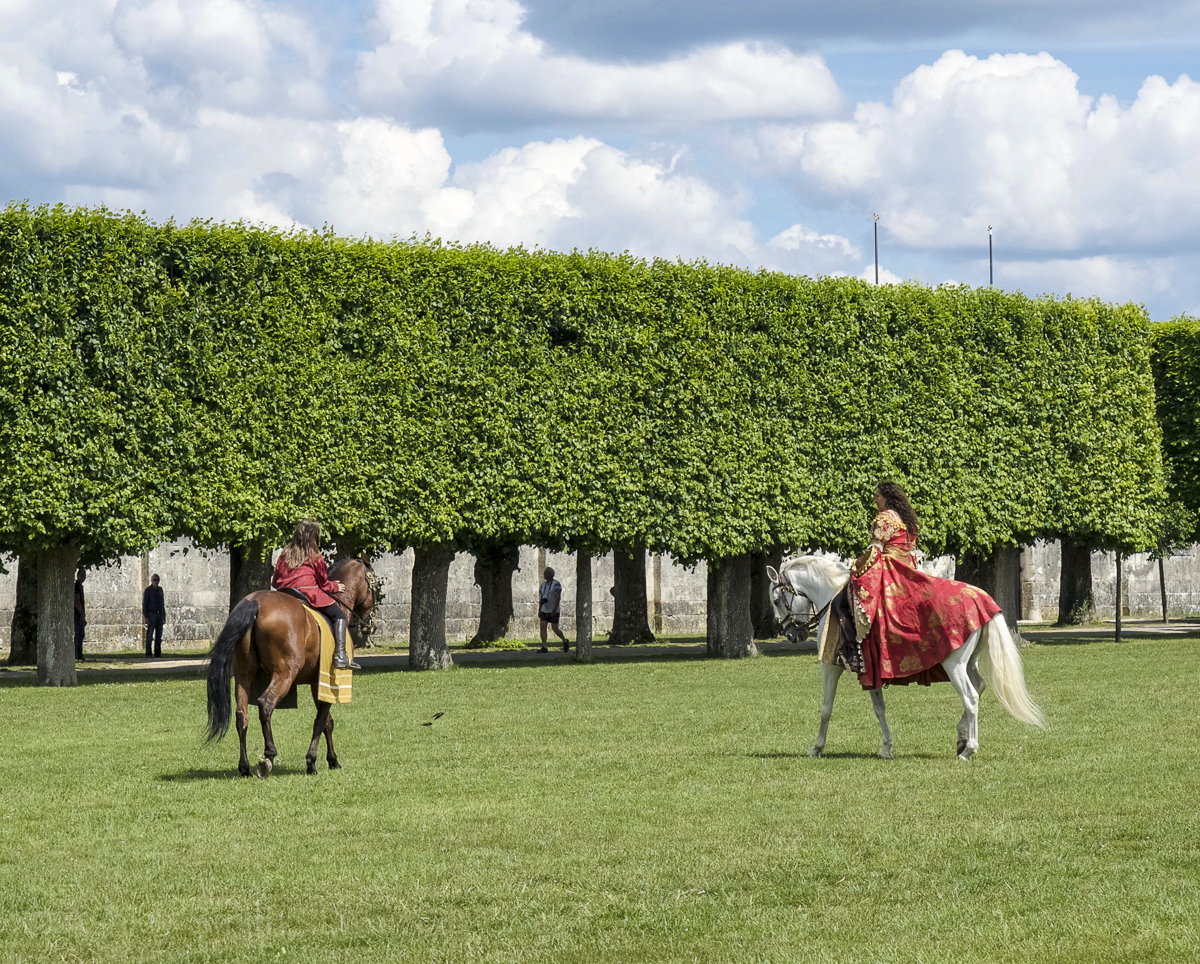
If you’re short on time, you’re more than welcome to just show up and lurk around the castle’s exterior and gardens. But if you do have more time, definitely opt for one of their tours. Unlike most castles in Europe, admission to Château Chambord gets you into a whopping 60 rooms that are open to the public.
They have self-guided tours, English guided tours, Histopad tours (a fancy media device you carry around that shows you lots of stuff), or even private guided tours if you fancy one of those. You can also tour the gorgeous property by bike.
There’s also the nature reserve, the opportunity to observe some deer mating rituals (literally), a fancy horse show, the French formal gardens, stables, and probably a secret vault somewhere filled with gold coins, but who’s to say.
Here’s a quick clip from Rick Steves on Chambord Castle.
Where to stay near Château Chambord
Since they haven’t opened this place up for renting yet (lame), here are some more realistic options to check out:
Check out all your Chambord-area hotel options here.
7. Explore Château Chenonceau
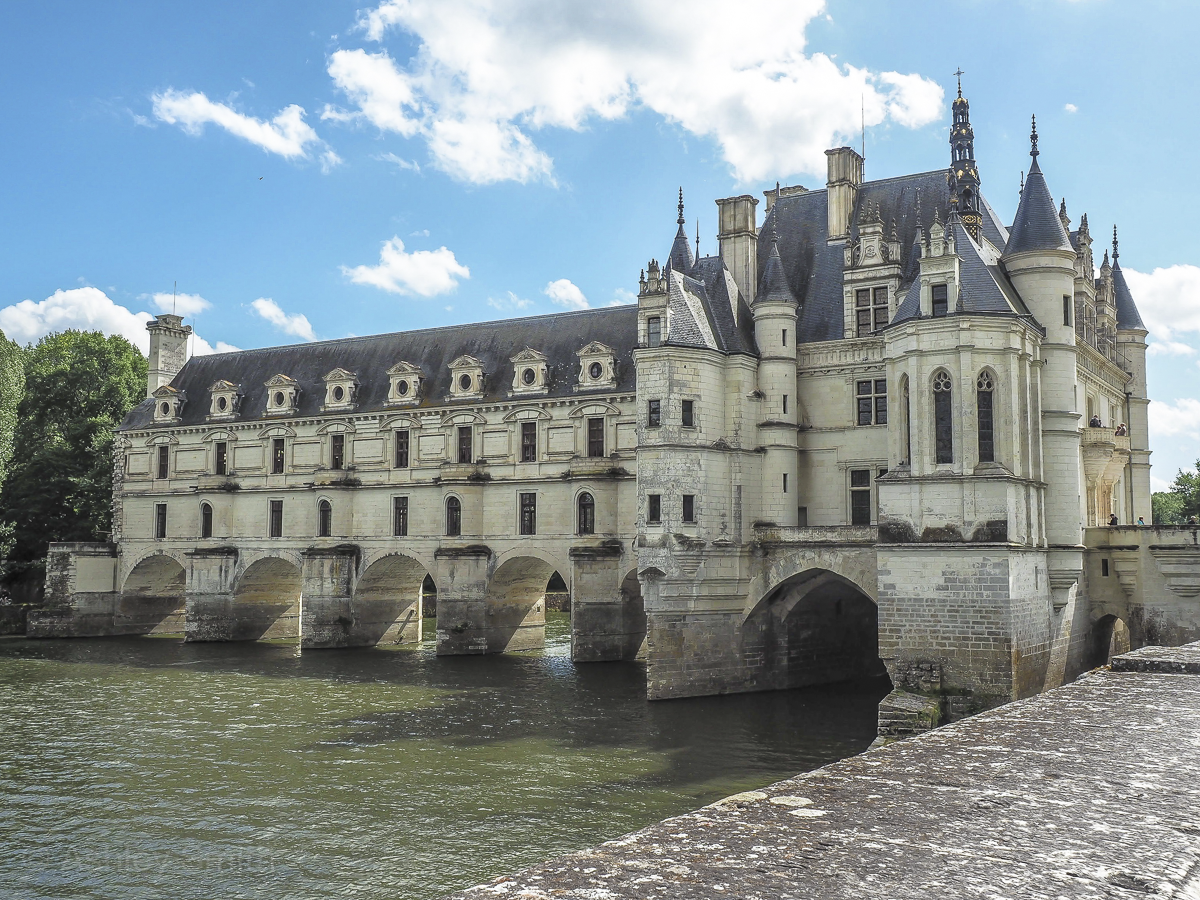
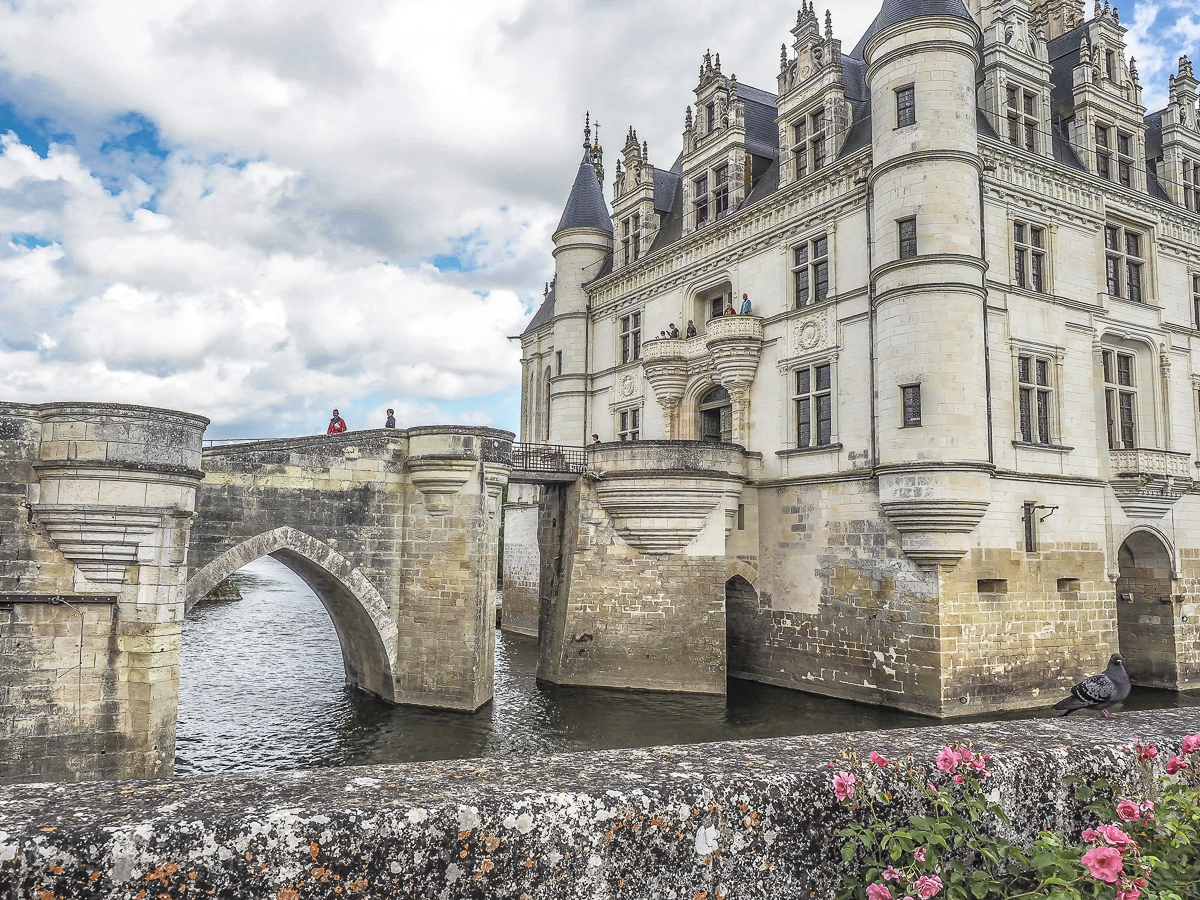
Finally, we’ve reached Château Chenonceau, France’s most visited Castle (just after Versailles, that is) and my personal favorite.
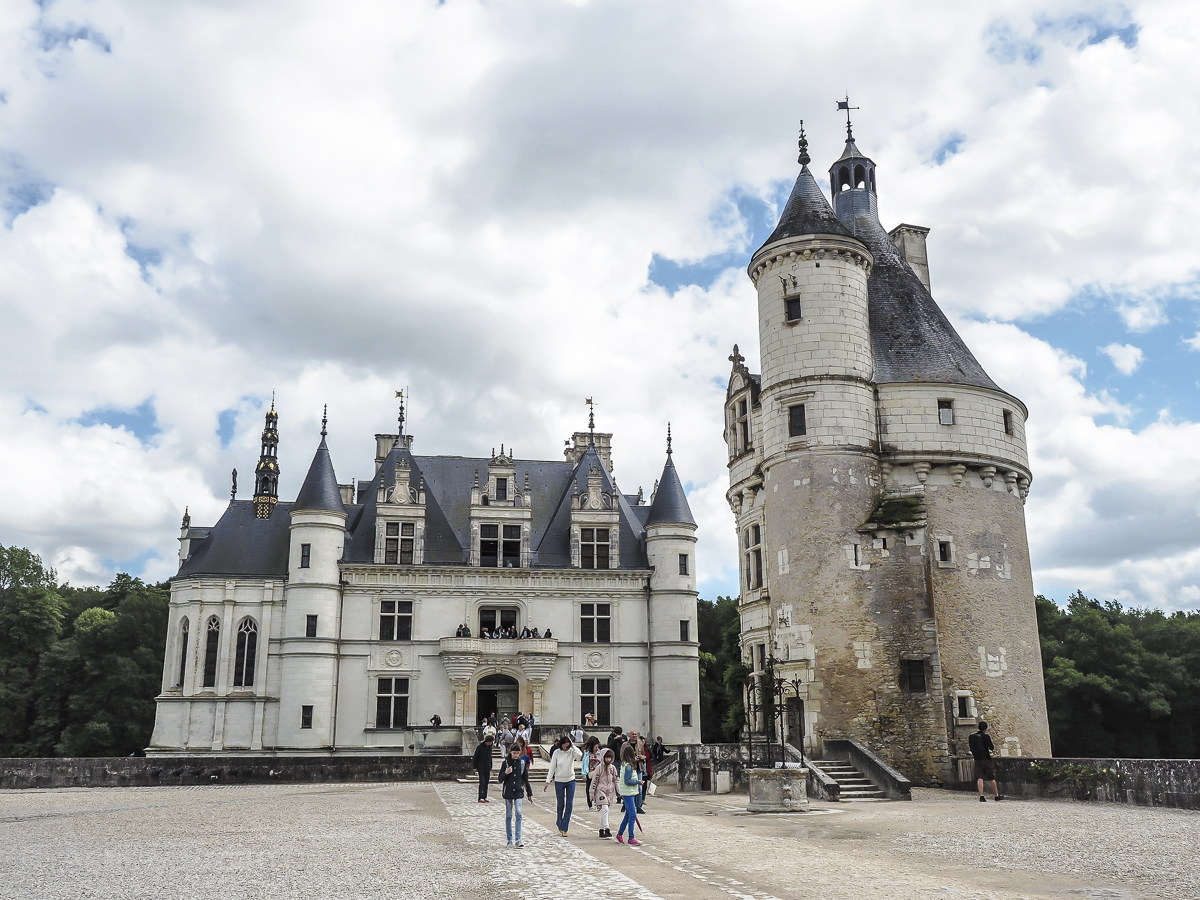
This one dates back to the 11th century but the castle as you see it today was built in the early 1500s. And since it was built on the foundations of an old mill, it has the unique attribute of having been constructed over the River Cher.
History of Château Chenonceau
At one time, Château Chenonceau was owned by Kind Francis (the same guy who built Chambord for him and his little buddies to play in). When he died, Henry II came along, became king, and snatched it right up.
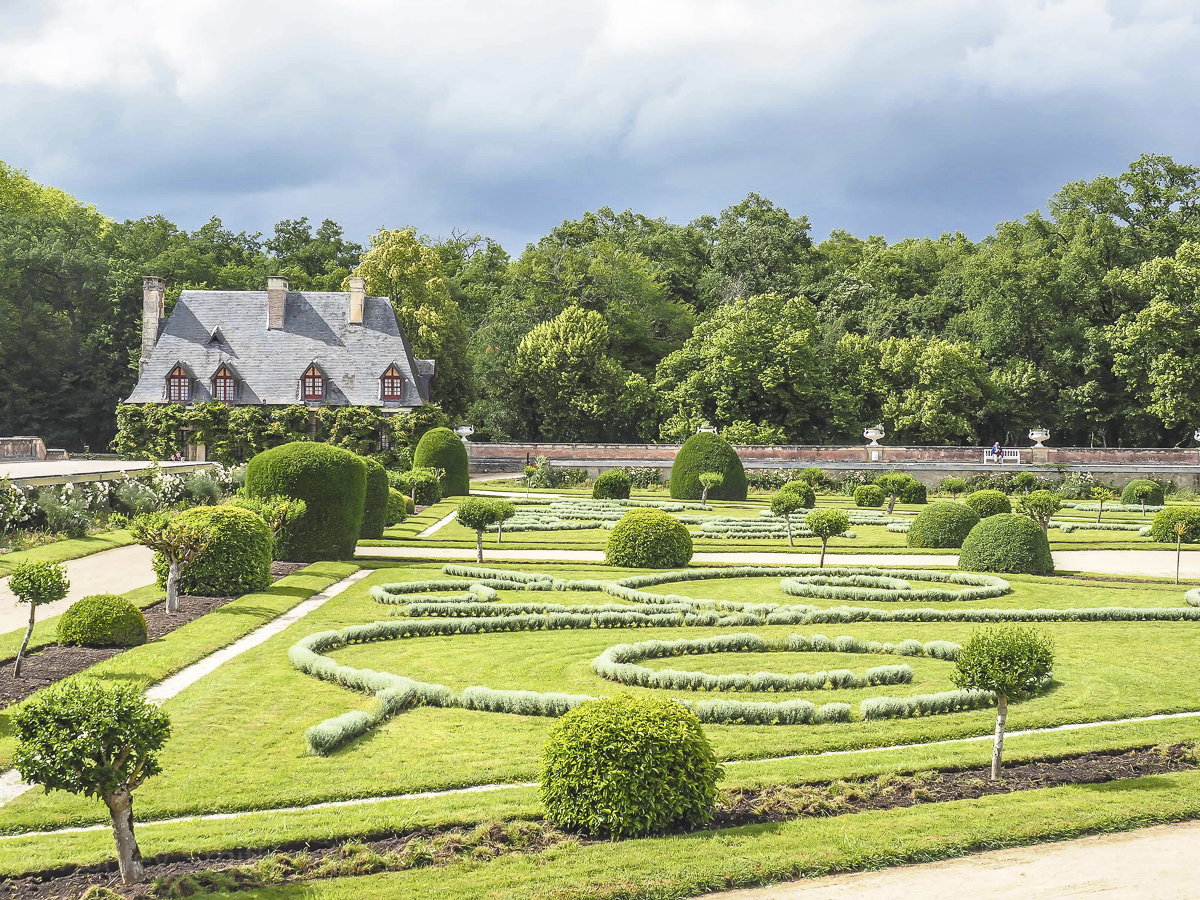
And because you can’t have too many castles to your name (I guess?), he gifted this one to his mistress Diane de Poitiers. Diane loved it, obviously, and built a bunch of pretty little gardens around it because what else is a royal mistress going to do with her time?
Well, in the freakiest of accidents, King Henry died after being impaled in the eye by a rogue splinter just a jousting match… while wearing the colors of mistress Diane. Finally, in a move I like to call “Mistress Managed,” his wife (Catherine de Medici) threw Diane out onto the street and built her own baller garden. (Ok, “the street” was just another quite comfortable château.)
The most beautiful château
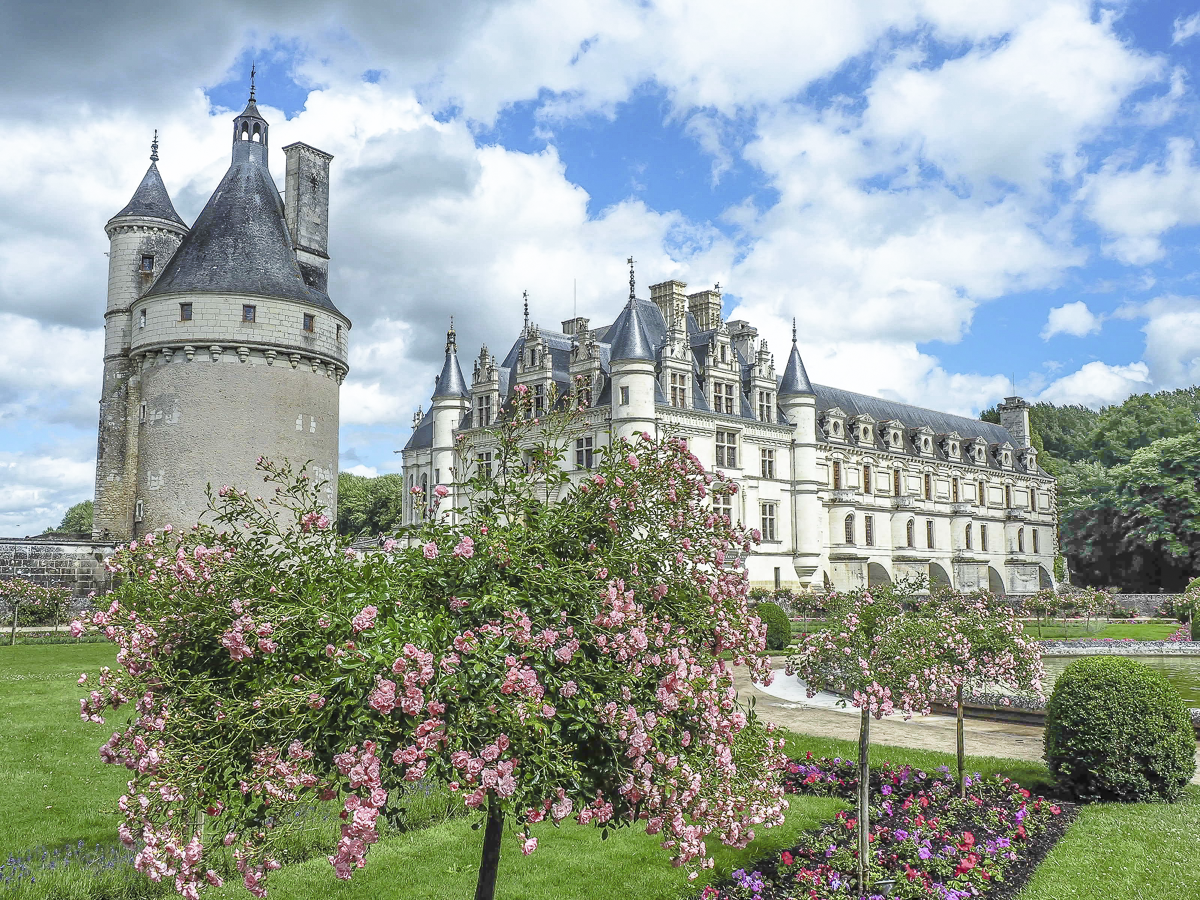
It’s no wonder this is the most visited château in France—it’s stupid pretty and seriously badass (being that it’s a castle almost exclusively run by women throughout history). It’s without a doubt the most photogenic spot I found on my tour of the Loire Valley.
The “dueling gardens” as I call them are beautiful and well-kept, the location on the river is unique to Chenonceau, and the surrounding property is pure fairy tale magic.
Preserved history
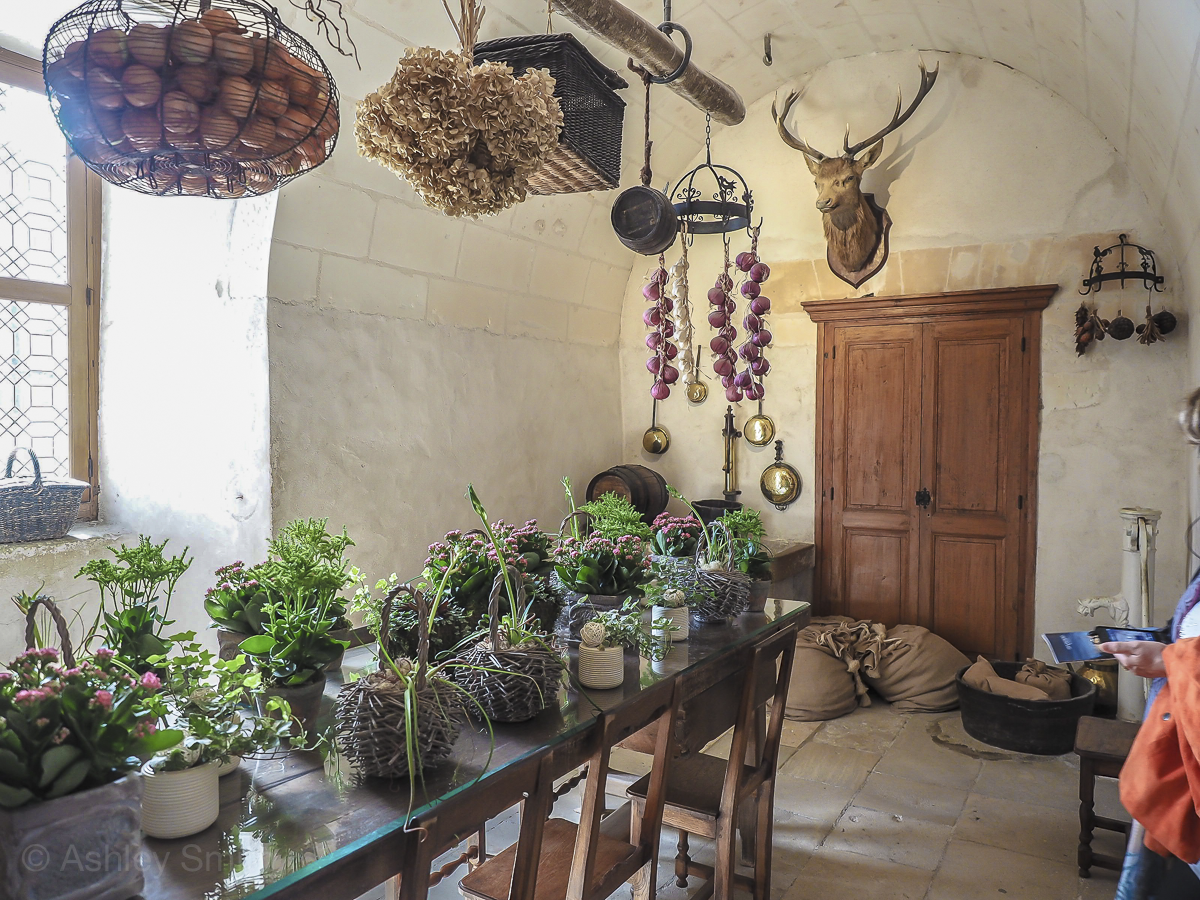
My favorite part about visiting Chenonceau is how they maintain the interiors as if the castle is still inhabited. Rather than just show you a bunch of empty rooms, the place is set up as if it’s still in daily use.
It’s filled with fresh floral arrangements, the rooms are kept as they once were, and the kitchen appears as if it never stopped preparing super fancy meals.
The entire dreamy property
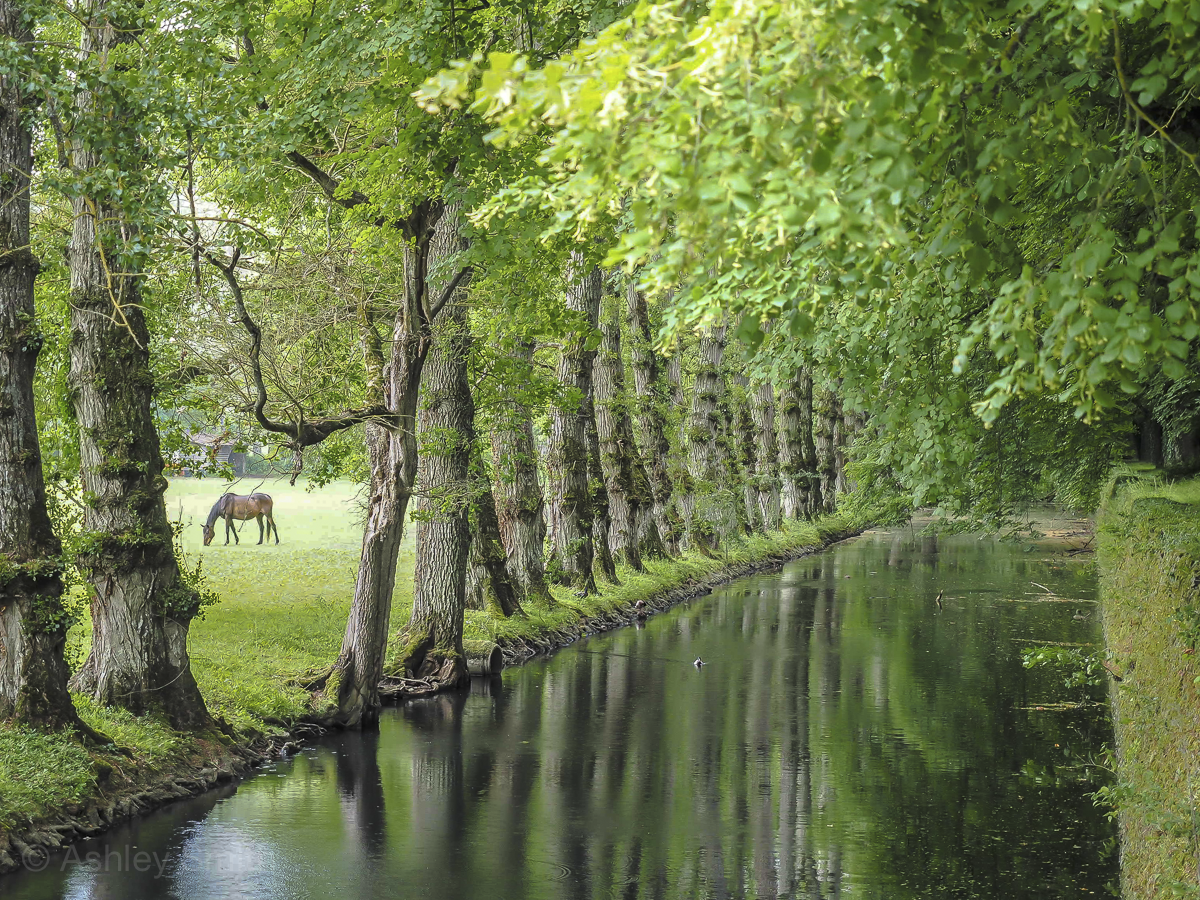
Your Chenonceau admission ticket grants you full access to the entire Chenonceau property. Besides the château, you can also visit:
Get your Chenonceau admission ticket in advance here.
Where to stay near Chenonceau
Since staying in the castle is off-limits, here are some great hotel options nearby:
See all the rest of the Chenonceau-area accommodations here.
More chateaux to visit in the Loire Valley
If you’d like to see even more fancy chateaux while you’re here, know that the few mentioned in this post are only the tip of the jousting sword. Here are a few others that travelers love the most:
Optional Loire Valley tours
If the idea of putting around the area on your own doesn’t sound like a good time, there are tons of other ways to experience all the best things to do in the Loire Valley (with someone else behind the wheel). Here are a few organized tour options you might like:
To see all the available tours, head over to Viator and/or Get Your Guide here.
More info for your trip to the Loire Valley
Like this post? Have questions about any of these things to do in the Loire Valley? Let me know in the comments below. Have fun in France!

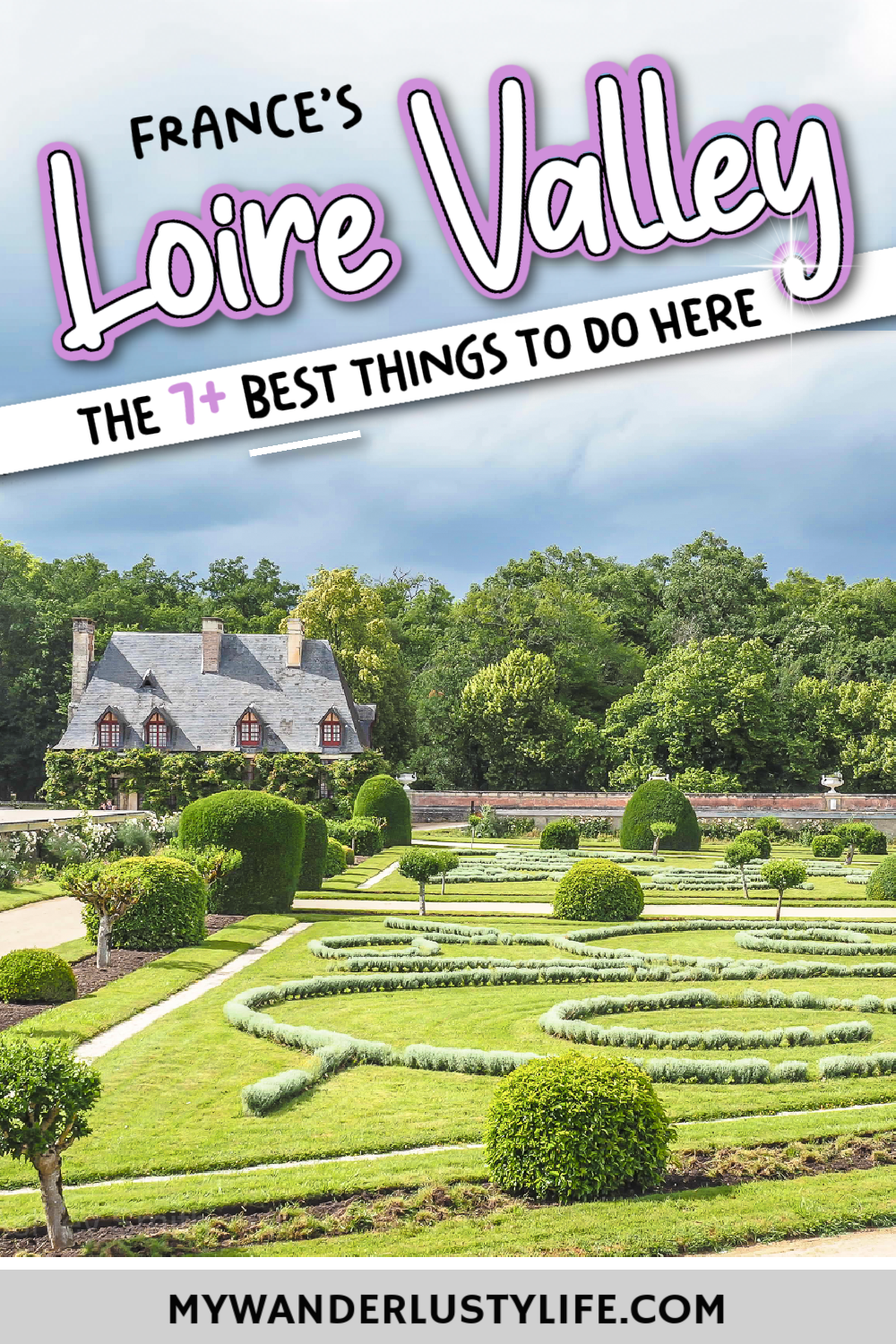
Save this info, pin these images:

Yet another place to add to the Worldwide Wine Tasting Trip I’ll eventually take 🙂
Haha yes, definitely!
I’ve been to the Loire Valley three (trois!) times and your report is exactly on point. But now everybody knows how cool it is, so not sure I appreciate your sharing. But excellent info!
Haha, thanks Nancy!!
But yes, that’s a conundrum I face quite often. Don’t worry, I keep some of the good stuff to myself. 🙂
Amazing! Can’t wait to go back and explore this area more! Have you ever been to La Maison Picassiette? Found out about it after I left Chartres… next time.
No I haven’t – I hadn’t even heard of it until just now. I looked it up – super interesting! I had no idea that was in Chartres… I feel like it definitely would’ve stood out LOL. Looks very “Gaudi”!